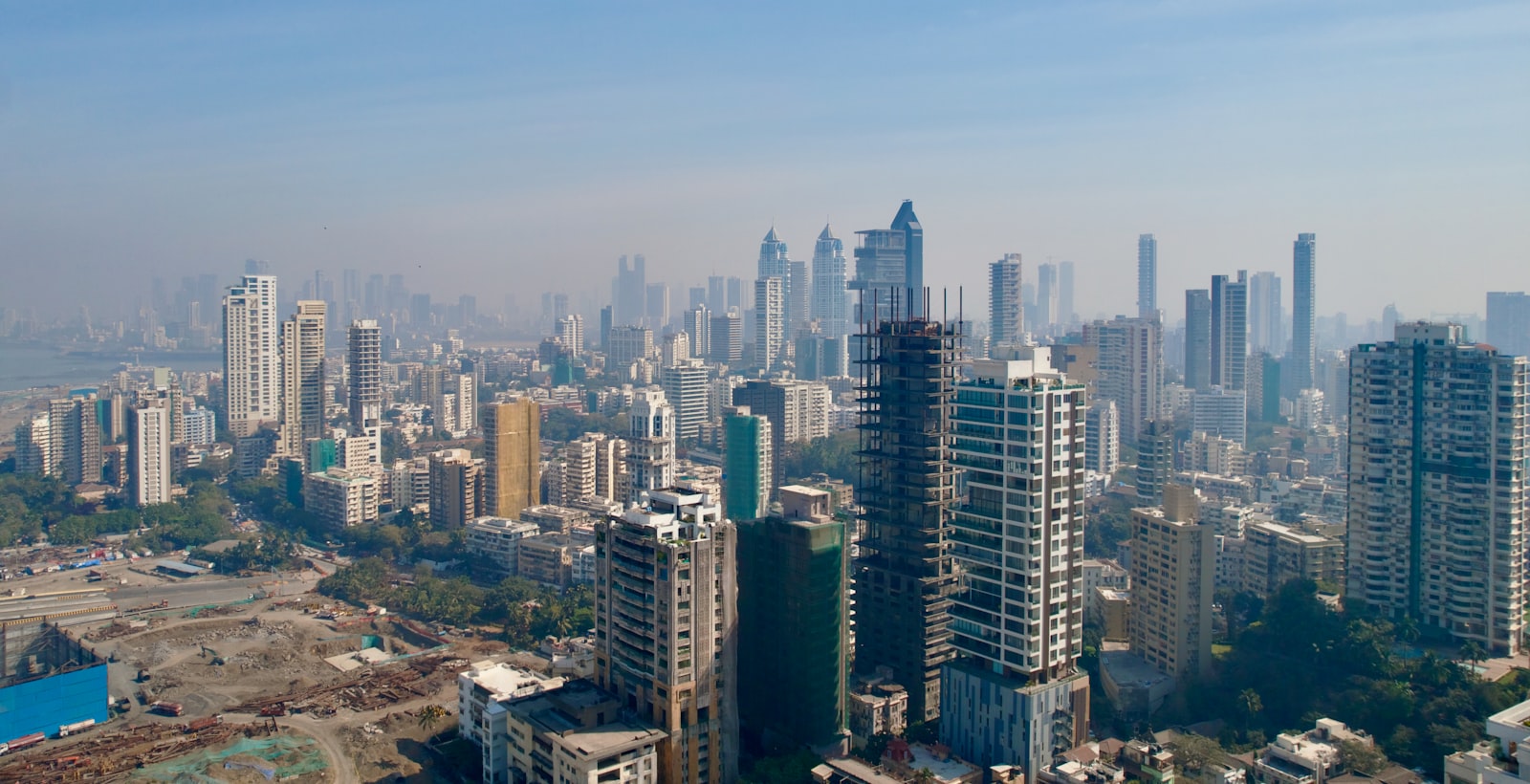
Moving to India: the complete guide
A vast, fast growing country of extraordinary variety, drawing returning Indians, professionals, and people of Indian origin reconnecting with home. Here is the honest brief on what it costs to ship your life to India, the registration steps that come first, and how the Transfer of Residence rules treat your belongings.
Costs are indicative ranges for 2026.
A booming, varied country that many people return to call home.
People move to India for career opportunity in one of the world's fastest growing economies, to return after years abroad, or to reconnect with family and roots. It is a move of immense variety and energy, and it rewards people who arrive with patience and a plan for the paperwork.
The pull is growth and connection. India's technology, finance, and startup sectors are expanding fast, salaries for senior and specialist roles are rising, and the cost of living lets that income stretch a long way. A large share of newcomers are returning Indians and people of Indian origin, often moving with family and a deep familiarity with the country.
Daily life is intense and rewarding. The country spans dozens of languages, cuisines, and climates, from the tech hubs of Bengaluru and Hyderabad to the financial energy of Mumbai and the institutions of Delhi. English is widely used in business and cities, household help is affordable and common, and the social fabric is warm and family centred.
The honest trade offs are the friction of everyday systems, the air quality in some cities, and the heat. Bureaucracy can be slow and document heavy, traffic and infrastructure vary enormously by city, and seasonal pollution is a real concern in parts of the north. None of it is a dealbreaker, but it belongs in your planning, especially the customs paperwork for your shipment.
Who it suits, honestly
India suits returning Indians and people of Indian origin, professionals in technology, finance, and consulting moving for career growth, and families with ties to the country. It is harder for people who expect western style bureaucratic efficiency, who are sensitive to heat and air quality, or who underestimate the strict timing and paperwork of the Transfer of Residence customs process.
The realistic routes into India, in plain language.
Foreign nationals need a visa matched to their purpose, while people of Indian origin often use the Overseas Citizen of India route. Long stay visa holders also register locally after arrival. These are the routes people on this site use most.
Granted to skilled professionals and specialists taking up a role with an Indian organisation, usually above a minimum salary threshold. It is the standard route for foreign nationals moving to India to work.
The OCI card gives people of Indian origin and their spouses lifelong, multiple entry rights to live and work in India without a separate visa. It is the most common route for the Indian diaspora returning long term.
For those establishing or running a business, exploring ventures, or attending to commercial interests in India, subject to the relevant financial and activity conditions.
The Entry, or X, visa covers spouses and dependants of those moving to India, people of Indian origin not using OCI, and certain other long stay family situations.
Bringing your household goods into India.
India lets people transferring residence import used household goods under its Transfer of Residence rules, but the process is specific, time sensitive, and worth getting right with a destination agent.
The Central Board of Indirect Taxes and Customs sets the rules, and the relevant scheme is Transfer of Residence. In broad terms, a person who has lived abroad for a qualifying period, generally at least two years, and is transferring residence to India can bring used personal and household effects, with used items such as clothing, books, kitchenware, and furniture typically admitted free of duty.
Some appliances and higher value items attract a concessional rate of duty rather than full duty, and there are limits beyond which standard rates apply, so an accurate valued inventory matters. Crucially, the goods generally must arrive within a set window around your own arrival, commonly within about a month, and for sea shipments cleared outside Delhi, FRRO registration is part of the process. Build your timeline around these constraints.
Restricted and prohibited categories follow their own rules. Alcohol, tobacco, and firearms are tightly controlled, importing a vehicle is heavily restricted and rarely worthwhile for a household move, and gold and certain electronics have specific limits. Pets need health and vaccination documentation. A mover who handles Transfer of Residence shipments routinely is invaluable here.
Verify before you move. Transfer of Residence eligibility, qualifying periods, duty rates, time limits, and the FRRO requirement change and depend on your circumstances. Confirm the current rules with the Central Board of Indirect Taxes and Customs and your destination agent before your goods ship, and never rely on a forum post for the version that applies on your move date.What your money buys once you are there.
India offers a low cost of living that lets outside income stretch a long way, with wide variation between the major metros and smaller cities. Typical monthly figures below are in US dollars and are indicative.
Indicative monthly figures for 2026 in US dollars. Mumbai, Delhi, and Bengaluru sit well above the national average, while smaller cities are dramatically cheaper. Household help is widely used and affordable.
Healthcare
India has a large private healthcare sector with excellent hospitals in the major cities, used by most newcomers, alongside a public system. Comprehensive private health insurance is strongly recommended and inexpensive by western standards. Choose a plan and a network hospital near your home soon after you arrive.
Banking and money
To open a bank account and manage tax you need a PAN, the Permanent Account Number issued by the Income Tax Department, which is essential for almost any financial activity. Banks also ask for proof of address and your visa or OCI document. Returning residents often open a dedicated non resident or resident account depending on status, so check which fits you.
Your first month checklist
Apply for your PAN and, if you hold a long stay visa, register with the FRRO within the required window of arrival, usually fourteen days. Open a bank account, arrange private health insurance, get a local mobile number with the required documentation, and if you have children, secure school places early as good schools fill up.
What shipping your home to India costs.
The single biggest factor is where you ship from and the length of the sea leg to an Indian port. A container from the Gulf is the shortest hop, while Europe, North America, and Oceania travel further. Ranges below cover that spread for 2026.
Indicative ranges for 2026 in US dollars. Volume, season, the origin country, and inland delivery distance from Nhava Sheva, Chennai, or Mundra move the final number. A binding pre move survey is the only way to get a real figure.
How to choose a mover for India
We never name, rank, or recommend a moving company. Instead, here is the neutral checklist we would use ourselves. Apply it to any quote you receive, then request comparable quotes through the form below.
FIDI or IAM affiliation
Membership of the FIDI Global Alliance or the International Association of Movers signals audited financial stability and a complaints process you can lean on if something goes wrong.
Real corridor experience
Ask how many households the company has shipped on your exact route in the past year. A mover that runs the lane weekly knows the ports, the customs broker, and the paperwork by heart.
A binding pre move survey
Insist on a video or in home survey and a binding or not to exceed quote. A price built from a real volume estimate is the only quote you can compare like for like.
Clear insurance terms
Read how marine transit cover is calculated, what the deductible is, and whether valuation is by replacement value. Vague cover is the most common regret on an international move.
Verifiable reviews
Look for recent, specific reviews that name the destination, not just star ratings. Patterns in how a company handles claims tell you more than any single glowing note.
Written scope and timeline
Everything that matters belongs in writing: packing, customs clearance, delivery, unpacking, and debris removal, with who pays destination charges spelled out.
Get moving quotes for your move to India.
One short form, shared with vetted international movers who handle Transfer of Residence shipments into India. No call centre roulette and no obligation.
One useful email a month for people moving countries.
Real cost movements, customs rule changes, and corridor notes. No spam, and you can leave whenever you like.
Questions people ask about this move.
How much does it cost to move to India in 2026?
A sea container for a 2 to 3 bedroom home typically runs about 3,500 to 11,000 US dollars door to door, depending on the origin country, your volume, and the inland delivery distance from the port. A studio is less and a four bedroom home more. These are indicative 2026 ranges, not quotes.
How long does shipping to India take?
Goods arrive by sea at ports such as Nhava Sheva near Mumbai or Chennai. Door to door, plan on roughly four to nine weeks, including packing, ocean transit, Transfer of Residence customs clearance, and final delivery. Clearance can take longer if paperwork or timing is not in order.
What are the Transfer of Residence rules for India?
People who have lived abroad for a qualifying period, generally at least two years, and are moving back can import used household goods under Transfer of Residence, with many used items duty free and some appliances at a concessional rate. Goods usually must arrive within about a month of your arrival. Verify the current rules with Indian customs before you ship.
Do I need to register after arriving in India?
Foreign nationals on long stay visas generally must register with the FRRO, the Foreigners Regional Registration Office, within fourteen days of arrival. People of Indian origin using an OCI card do not register in the same way. This is general information, not immigration advice.
What is the first thing to do on arrival in India?
Apply for your PAN, the tax number needed for banking and most financial activity, and register with the FRRO if your visa requires it. Then open a bank account, arrange private health insurance, and get a local mobile connection with the required documents.
Moving to India from your country.
Pick your origin for a corridor guide built specifically for that pair, with the costs, customs notes, and timeline for that exact route into India.