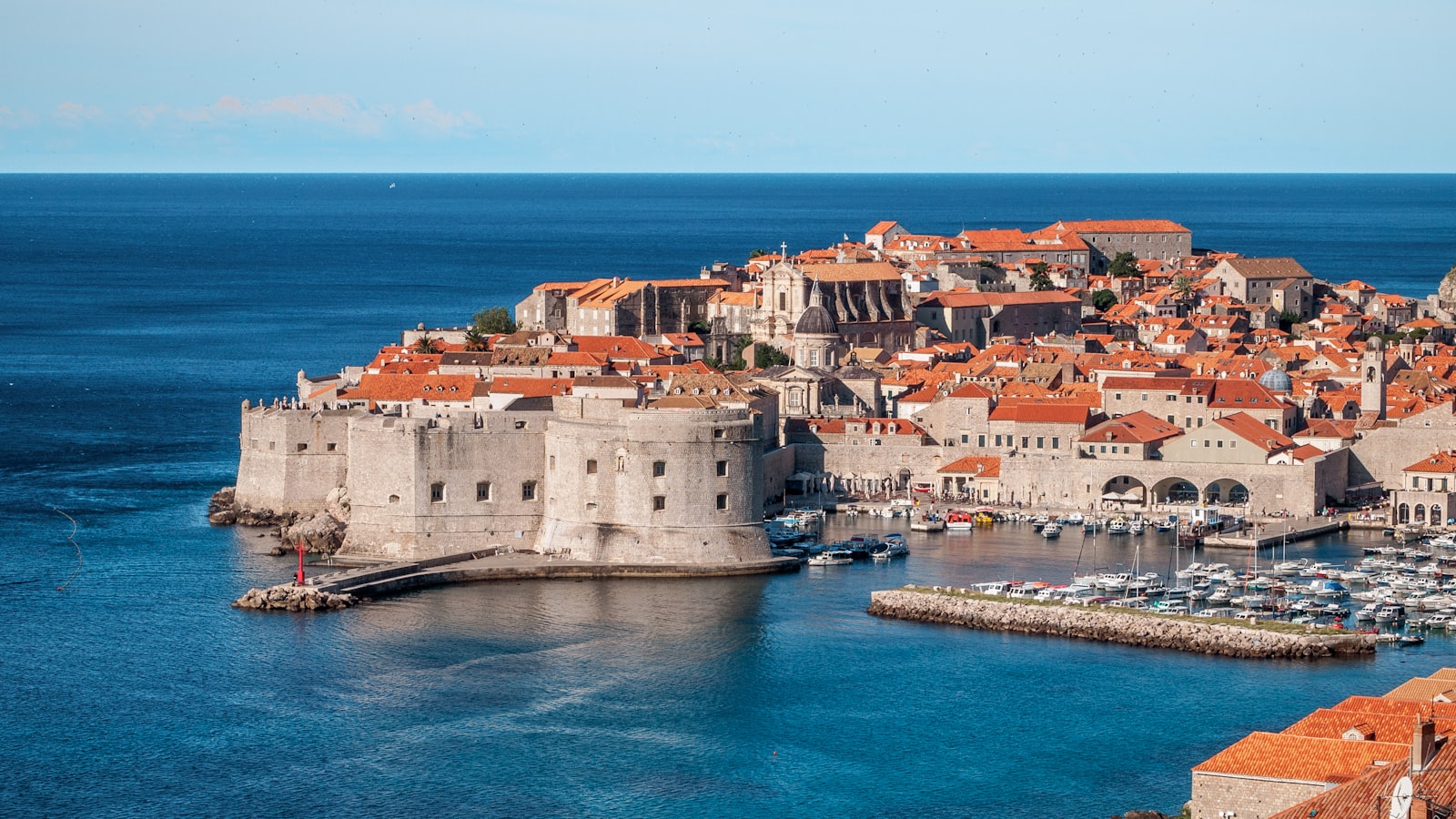
Moving from Canada to Croatia
A transatlantic sea move to the Adriatic where, despite Croatia's euro and Schengen membership, your goods still clear customs. Here is the honest brief on container costs, the transfer of residence relief, the OIB you will need, and the visa routes for Canadians.
A move from Canada to Croatia travels by sea, usually from Montreal or Halifax across the Atlantic and into the Mediterranean and Adriatic to Rijeka, the largest Croatian port. A realistic door to door window is five to nine weeks. Air freight handles the essentials you need on arrival while the household follows in a shared or full container, with onward road delivery to Zagreb, Split, or the Istrian coast.
Croatia adopted the euro and joined the Schengen area in 2023, which smooths travel and money, but for a mover from Canada the customs side is still a third country move. Croatia grants relief from duty and VAT on used household goods under transfer of residence rules, provided you meet the ownership and prior residence conditions and import within the time limit. Getting the paperwork right is what makes the relief stick.
Prices below are in Canadian dollars and indicative for 2026. Croatia uses the euro, so budget for the far side too. The single most useful early errand is getting your OIB, the personal identification number, because banking, a lease, utilities, and almost every official step depend on it.
What it costs to move from Canada to Croatia.
What it really costs to move a household from Canada to Croatia in 2026, as indicative ranges by home size and shipping method. Volume and whether you share a container drive the number far more than distance.
Indicative 2026 ranges in Canadian dollars, door to door by sea, before full packing, premium insurance, and any storage. Volume, season, the port pair, and onward road delivery move the figure. Summer is the peak, so book early.
Four levers move the number. Volume dominates, so a hard declutter before the survey saves the most. Shared versus sole use trades cost against timing, with groupage cheaper but tied to a consolidation schedule. Coastal access matters, since old town streets in Split or Dubrovnik and island deliveries add labour. And onward delivery from Rijeka to your Croatian town adds road cost at the far end.
A realistic schedule, working back from the sailing.
Work back from the sailing date. The residence basis and the customs paperwork drive the early weeks, and the transatlantic transit fills the middle.
Sort the visa and residence basis
Confirm your Croatian residence route as a third country national, since Canadians need one for long stays, and gather the documents your customs relief will rest on.
Survey, quote, and book
Have movers run a video or in home survey, then compare shared and sole use quotes like for like. Confirm Montreal or Halifax and the sailing to Rijeka, and book early for summer.
Prepare papers and declutter
Assemble your passport, residence documents, and a valued inventory for the transfer of residence relief. Sell or donate what is not worth the freight, because volume is the cost.
Pack and load
The crew packs and loads the container, which sails from eastern Canada to Rijeka. Keep your documents ready for the Croatian customs clearance and onward delivery.
Clear customs and settle
Your goods clear Croatian customs against the relief and are delivered. Get your OIB from the Tax Administration, register your residence at the local police administration, and set up banking and utilities.
Clearing your goods into Croatia.
Croatia allows people moving their normal residence to import used household goods and personal effects free of customs duty and VAT, under transfer of residence rules applied by the Croatian Customs Administration, the Carinska uprava, within the Ministry of Finance. To qualify you generally need to have lived outside the European Union for at least twelve months, to have owned and used the goods for at least six months, and to import them within twelve months of establishing residence.
As a mover from Canada, outside the European Union, you support the clearance with proof you are transferring residence to Croatia, your passport, evidence of your prior residence abroad, and a detailed valued inventory. The goods should be for your personal use and not for sale. Organised, accurate paperwork is the difference between a smooth clearance and an assessment, so prepare the inventory with care.
Restricted and prohibited categories include weapons, certain foods and plants, and protected species items, so check before you pack. A vehicle can be imported but carries its own registration and roadworthiness steps in Croatia, so treat it as a separate decision. Keep your inventory and residence proof together, because the customs office will ask for them.
How people from Canada move to Croatia.
Canadians are third country nationals in Croatia and need a residence basis for stays beyond ninety days in any one hundred and eighty. These are the routes movers on this corridor most often use.
Croatia was an early mover on remote work, offering a temporary residence permit for non EU nationals working for foreign employers or their own companies abroad, popular along the coast.
- Type
- Remote work
- Basis
- Foreign income
- Work
- For clients abroad
- Stay
- Temporary
A combined residence and work permit for people with a Croatian job, the standard route for those moving for employment, usually arranged with an employer.
- Type
- Sponsored work
- Needs
- Employer
- Leads to
- Residence
- Start
- Before you move
For the family members of a Croatian national or a resident, allowing you to join them and live in Croatia based on the family relationship.
- Type
- Family
- Basis
- Relationship
- Work
- Often allowed
- Renews
- Yes
Temporary stay can also be granted on other grounds, such as study, research, or sufficient means, each with its own conditions and document requirements.
- Type
- Temporary
- Basis
- Varies
- Examples
- Study or means
- Check
- Conditions
How to choose a mover for this route, with no names attached.
This site never names, ranks, or recommends a moving company. Instead, here is the neutral checklist that separates a safe international mover from a risky one. Apply it to every quote you receive.
Get Moving Quotes for Canada to Croatia.
One short form reaches vetted international movers who run this exact route. No obligation, and no moving company is shown or ranked on this page. You receive quotes to compare on your own terms.
Plan the move with a clear head.
Subscribe to The Relocation Brief for practical, country specific relocation guidance, sent when it is genuinely useful. No spam, and you can leave any time.
Questions people ask about this move.
How much does it cost to move from Canada to Croatia?
As indicative ranges for 2026, a 2 to 3 bedroom move runs roughly 5,000 to 9,000 Canadian dollars as a shared container and 10,000 to 16,000 dollars for a sole use container, before packing, insurance, and any storage. Volume is the biggest factor. Get a binding quote from a survey.
How long does shipping from Canada to Croatia take?
Expect about five to nine weeks door to door. Goods sail from Montreal or Halifax across the Atlantic to Rijeka, then clear customs before onward road delivery to Zagreb, Split, or Istria. A full container is at the faster end, a shared container slower because it waits for a consolidated load.
Do I pay duty on my belongings when moving to Croatia?
Used household goods can usually be imported free of duty and VAT under Croatia's transfer of residence rules if you have lived outside the EU for twelve months, owned and used the goods for six months, and import within twelve months of settling. You support it with residence proof and an inventory. Verify the current conditions with the Croatian Customs Administration before you ship.
Do Canadians need a visa to move to Croatia?
Yes, for stays beyond ninety days in any one hundred and eighty Canadians need a Croatian residence basis. Common routes are the Digital Nomad residence permit, a work and residence permit, and family reunification. Confirm your route with the Croatian authorities before you move.
Did Croatia joining the euro and Schengen change my move?
It makes travel and money simpler, since Croatia now uses the euro and has no internal Schengen border checks, but it does not remove the customs step for Canadian goods. Because Canada is outside the EU, your household shipment still clears customs under transfer of residence rules, so the relief paperwork still matters.
What should I set up first in Croatia?
Get your OIB, the personal identification number, from the Tax Administration, the Porezna uprava, because banking, a lease, utilities, and almost every official task depend on it. Register your residence at the local police administration, and start your residence permit steps promptly if you need one.