Moving to Croatia
The practical guide to moving to Croatia: what shipping costs, customs on used household goods, the OIB number, residency routes, healthcare and a first month plan now in the euro.
Why people move to Croatia, and who it really suits
Croatia has quietly become one of the most attractive Mediterranean destinations in Europe. Since joining the eurozone and the Schengen area at the start of 2023, it offers a long Adriatic coastline, safe and walkable towns, and a cost of living below Western Europe, now without currency friction or internal border checks.
It suits remote workers, who can use a dedicated digital nomad route, retirees drawn to the coast, and anyone who wants Mediterranean life inside the EU at a gentler price than Italy or France. It suits you less well if you depend on a strong local salary, because Croatian wages are modest, or if you need year round island infrastructure, because the coast and islands are seasonal and can empty out in winter.
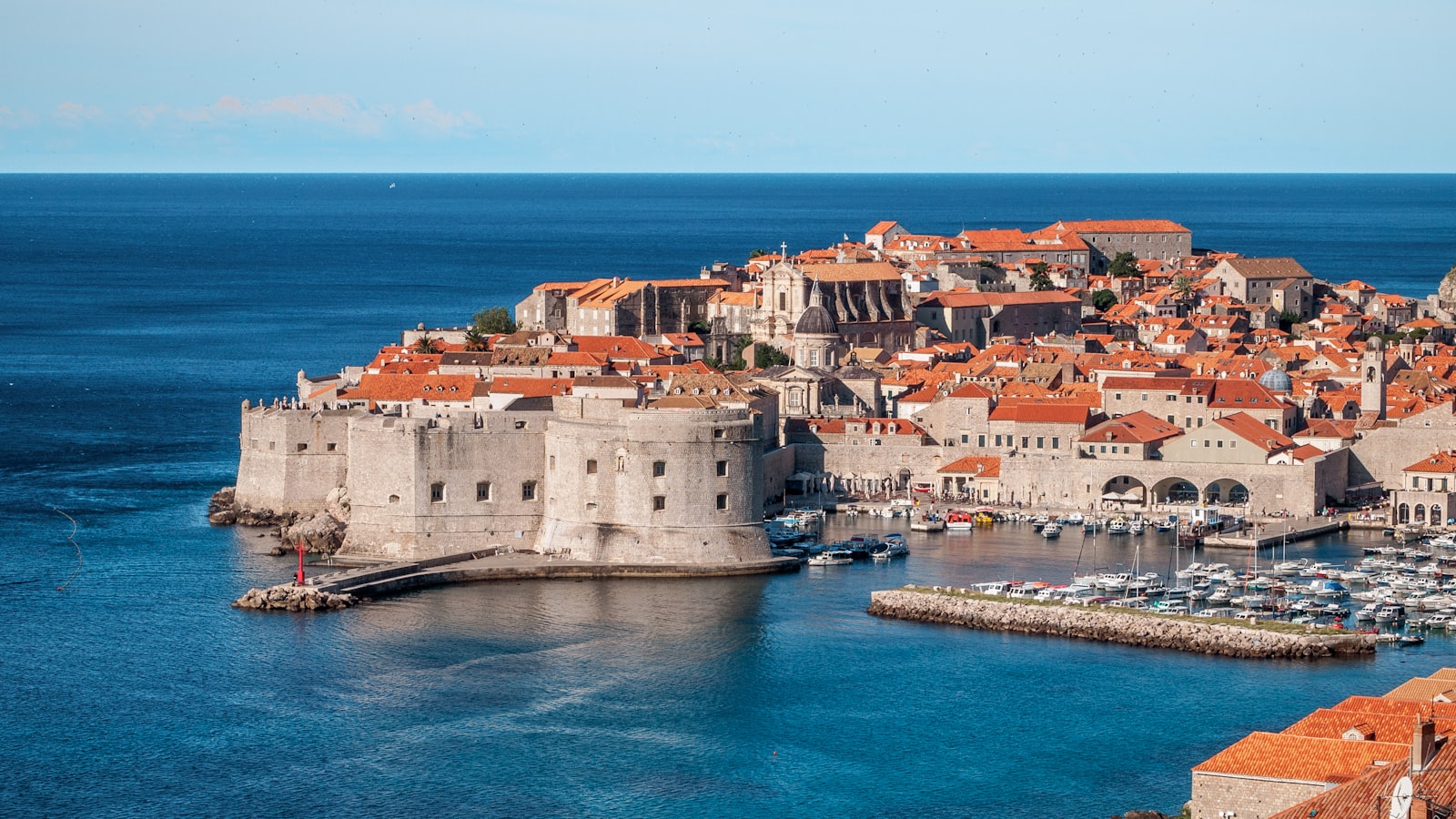
Choose between the coast and the interior with open eyes. Dubrovnik and Split are beautiful but pricey and crowded in season, while Zagreb, the capital, offers a normal year round city, and inland regions remain very affordable.
The routes to live in Croatia, in plain language
EU and EEA citizens register and live freely. Non EU movers apply for temporary stay through the Ministry of the Interior, with a dedicated route for remote workers. The OIB number underpins everything.
Digital nomad residence permit
For non EU remote workers and freelancers serving clients outside Croatia who meet an income threshold. A popular route that grants temporary stay while you keep earning abroad.
Temporary stay
Non EU nationals apply for privremeni boravak on grounds such as work, family, study or other purposes, renewable and leading over time to longer status.
Registration of residence
Citizens of the EU, EEA and Switzerland may live and work in Croatia and register their residence with the local police administration.
Family and work permits
Standard routes exist for employees with a Croatian job and for family members joining a resident, subject to the usual conditions.
Bringing your household goods into Croatia
Croatia is in the EU, the eurozone and the Schengen area, so goods from another EU country move freely with no customs formality and no border checks. If you are moving from outside the EU, the transfer of residence relief applies: used household goods owned and used for at least six months can enter free of duty and VAT if you lived outside the EU for at least twelve months and import within twelve months of establishing residence. You declare to the Croatian customs administration, the Carinska uprava.
You will need a dated and valued inventory, your OIB number, proof of your Croatian address, evidence of prior residence abroad and the transport documents. A certificate of transfer of residence from the Croatian consulate at origin is commonly requested, so secure it before shipping.
Sea freight usually arrives through Rijeka, the country's main cargo port, with Ploce, Split and Zadar also handling goods. Alcohol, tobacco, weapons and some foods are restricted. Cars can be imported but require registration and technical inspection, so weigh the cost against buying locally. Pets travel under EU rules with a microchip, rabies vaccination and pet passport or health certificate.
Documents customs commonly asks for
Settling in: money, healthcare and the first month
Indicative 2026 figures from public cost panels. Dubrovnik and Split in season run higher. Your location and the time of year will change these.
Healthcare runs through the national fund, HZZO. Legal residents register with the fund, often through their employer or directly, and gain access to public care, with many adding affordable private cover for faster specialist appointments. Because Croatia is now in the euro, there is no currency conversion to manage on salaries, rent or savings held in euros.
Banking requires your OIB and proof of address, and the country is comfortably card friendly. As with much of the region, the registration sequence, not the price, is the main hurdle: line up your OIB and address registration first and the rest follows.
Your first month checklist
Get quotes for your move to Croatia
Tell us your origin city, your destination in Croatia and your move size. We share your request only with vetted international movers who run this route, and you compare their quotes side by side.
How to choose an international mover for Croatia
Because we never name or rank movers, assess them on evidence. Start with FIDI or IAM membership, which means audited standards. Then look for genuine experience moving into Croatia, including clearance through Rijeka, which an experienced firm handles routinely alongside the transfer of residence paperwork.
Insist on a binding pre move survey so the volume and the quote are accurate and comparable. Read the insurance terms closely: valuation basis, exclusions and claims handling. Weight independent reviews toward the claims experience. When you request quotes here, ask each mover the same questions so you compare like for like.
Questions people ask before they move
How much does it cost to move to Croatia?
Indicative all in shipping for a two to three bedroom home runs from roughly 1,800 US dollars within Europe to about 12,500 US dollars from North America or Australia in 2026, depending on volume, season and access. A binding survey gives a firm figure.
What is the OIB and why do I need it?
The OIB is your personal identification number, issued by the Tax Administration. You need it to rent, bank, register residence and clear customs. It is the first thing most newcomers arrange in Croatia.
Does Croatia use the euro now?
Yes. Croatia adopted the euro and joined the Schengen area at the start of 2023, so there is no currency conversion on euro income and no internal border checks when travelling within Schengen.
Do I pay duty on my used belongings?
Usually no. Under the EU transfer of residence relief, used goods owned for at least six months enter free of duty and VAT if you lived outside the EU for twelve months and import within twelve months. Confirm current rules with the Carinska uprava.
How long does shipping to Croatia take?
From within Europe, often one to three weeks by road or short sea. From North America by sea, typically four to eight weeks door to door including clearance through Rijeka. Air freight is faster but far more expensive by volume.
Compare every corridor into Croatia
Each guide below is written for that specific pair: the real costs, the customs treatment, the visa routes and the timeline. Pick your origin country to start.
North America
United Kingdom and Ireland
Western Europe
Southern Europe
Nordic countries
Middle East
Asia and the Pacific
One honest email a month for people moving abroad.
Real cost data, corridor by corridor customs changes, and the bureaucratic gotchas worth knowing before you book. No spam, unsubscribe anytime.
We review this guide as customs, visa and cost conditions change.
Last reviewed: 22 May 2026. We refresh this guide as costs, customs, and visa rules change.