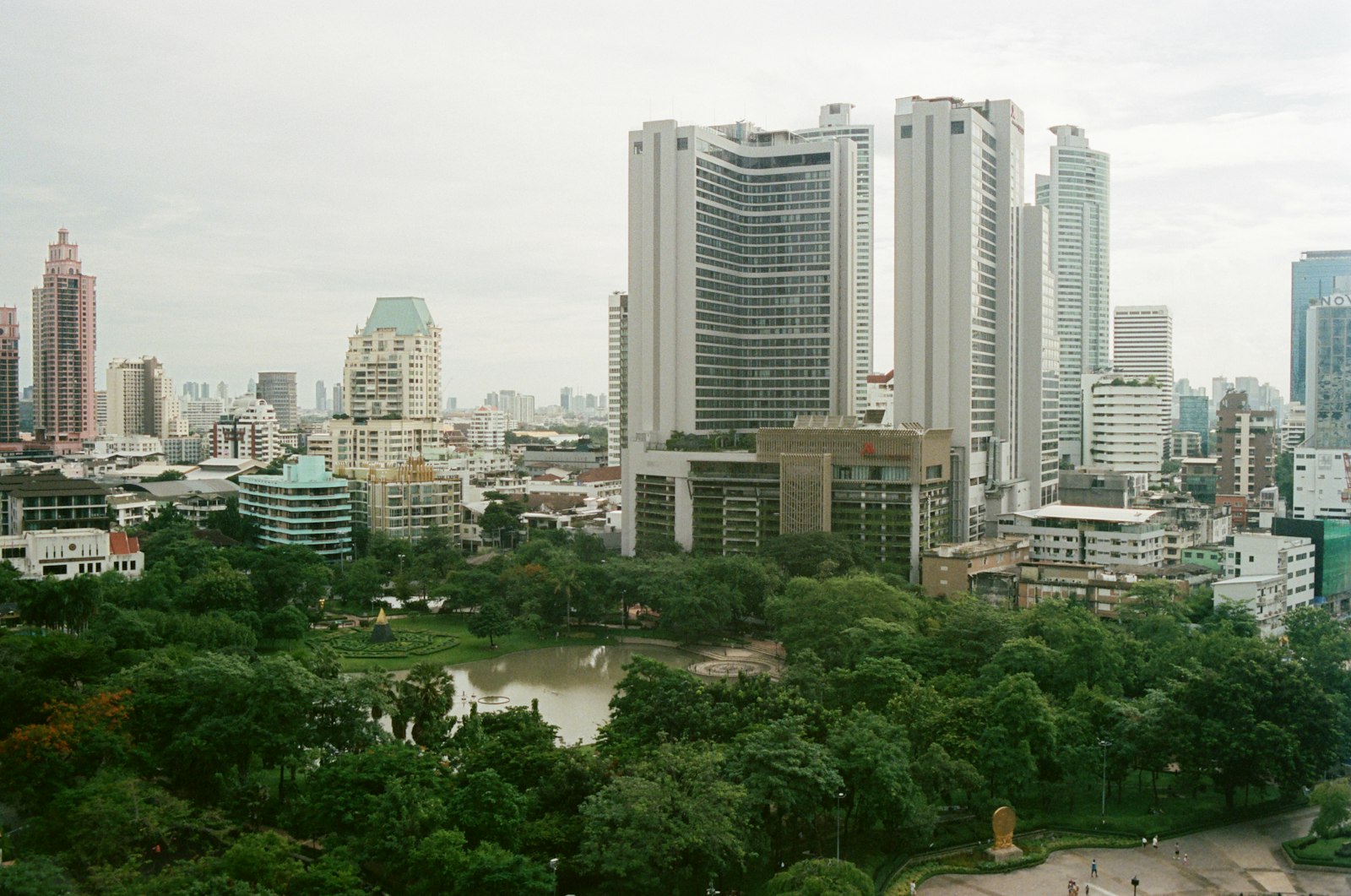
Moving from Denmark to Thailand
A long move from a flat, orderly Nordic country to a warm, lively one that many Danes already know as a winter escape. The sea route runs from a Danish port down through the Suez Canal to the docks near Bangkok. The catch is customs, where duty relief on your used goods is narrow and tied to your visa. Here is the honest brief for this corridor.
This is a long sea move with a simple logistics map and a complicated customs one. Your goods leave a Danish container port, most often Aarhus or via the Copenhagen area, and sail through the Suez Canal and across the Indian Ocean to Laem Chabang, the deep water port that serves Bangkok, or sometimes to Bangkok Port itself at Khlong Toei. Door to door this usually runs five to seven weeks, with a shared groupage load tied to a consolidation schedule and a sole use container moving on your own date, plus a short road haul at the Thai end.
The part that surprises people is the tax position. Thailand does not wave used household goods through duty free for everyone. The Thai Customs Department grants relief on used and personal effects only when you hold the right long stay status, in practice a one year Non Immigrant visa with a work permit, and the shipment must arrive within a tight window around your own arrival. Get the visa and the timing wrong and your belongings can be taxed on their assessed value. So on this corridor the immigration step is not just about your right to live in Thailand, it is what decides whether your shipment lands cleanly or expensively.
What it costs to move from Denmark to Thailand.
What it really costs to move a household from Denmark to Thailand in 2026, shown as indicative ranges by home size and shipping method. The long sea haul means volume and your choice of shared versus sole use freight drive the number most.
Indicative ranges for 2026 in Danish kroner, before full packing, premium insurance, and any storage. A shared container splits the box and the cost with other shipments, while a sole use twenty or forty foot container carries only your goods. These are not binding figures, so get a survey.
Four levers move the number. Volume dominates, because a shared load is priced by the space you fill, so a hard declutter before the survey pays off most, especially when bulky furniture is cheap to replace and expensive to ship. Shared versus sole use trades cost against timing, with groupage cheaper but tied to a consolidation schedule and a dedicated container pricier but on your date. The road leg from Laem Chabang to your Thai address adds distance based cost, more if you are heading beyond Bangkok to Chiang Mai, Phuket, or the islands. And access at both ends matters, from a Danish home with easy truck access to a high rise Bangkok condominium that needs a lift booking and a delivery window.
A realistic schedule, working back from the sailing.
Work back from the sailing, but treat the visa as the true critical path. On this corridor the wrong visa means the freight is the easy part and the customs bill is the nasty surprise.
Lock in the right visa
Confirm the long stay status that actually unlocks customs relief, in most cases a one year Non Immigrant visa paired with a work permit. Retirement and other long stay routes let you live in Thailand but do not always carry the same duty relief on goods, so check this before you book any freight.
Get surveyed and quoted
Have movers run a video or in home survey, then compare shared and sole use quotes on a like for like basis. Confirm whether your goods route through Laem Chabang or Bangkok Port and what the onward road haul to your Thai town will cost.
Prepare the customs paperwork
Assemble a detailed valued inventory, your passport, your visa and work permit, and the import documents your agent needs. Time the sailing so the goods arrive inside the Thai window, not earlier than one month before and not later than six months after your own arrival.
Pack, load, and sail
The crew packs and loads the container at your Danish home, which sails through Suez to the Thai port. Hand your mover the inventory and your visa and work permit copies so the customs entry can be lodged in your name without delay.
Clear, deliver, and register
Customs assesses your shipment against your status, then the goods are trucked to your address and unpacked. Report your address with the TM30 notification, keep up the ninety day reporting if it applies, and apply for a Thai tax identification number from the Revenue Department once you are settled.
Clearing your goods into Thailand.
Thailand controls imports through the Thai Customs Department, and used household goods are not automatically duty free. Relief on used and personal effects is granted to people genuinely transferring residence, but in practice it depends on holding the right long stay status. The clean case is a one year Non Immigrant visa together with a valid work permit, which lets your used belongings be admitted free of import duty and value added tax, subject to a reasonable quantity for a household.
Timing is strict. The shipment should arrive not earlier than one month before you do and not later than six months after your arrival, and the relief covers used goods you have owned and used, not new purchases or stock. You support the entry with a detailed valued inventory, your passport, your visa, and your work permit, and your clearing agent lodges the declaration in your name. Holders of some long stay visas, including certain retirement categories, may not receive the same relief, so confirm your exact position before you ship rather than after.
Restricted and prohibited categories sit outside any relief. Electronic cigarettes and vaping devices are prohibited and are seized at the border, alcohol and tobacco above personal allowances are dutiable, and there are firm controls on weapons, certain medicines, and protected species items. Importing a car is rarely worthwhile given Thailand's high vehicle duties and registration rules, so price that separately before you decide. Keep your inventory and your visa documents together, because the agent will be asked for both.
How people leaving Denmark actually move to Thailand.
Most people leaving Denmark for Thailand need a long stay visa, and on this corridor the visa you choose also decides your customs position. These are the routes movers actually use.
For people moving to work in Thailand, a Non Immigrant B visa paired with a work permit gives the right to live and work and, importantly, unlocks the cleanest customs relief on your used goods.
- Type
- Sponsored work
- Pairs with
- Work permit
- Customs
- Cleanest relief
- Start
- Before you move
The Non Immigrant O A and related retirement routes suit people aged fifty and over who meet the income or savings test, though they do not always carry the same duty relief on household goods.
- Type
- Retirement
- Test
- Income or savings
- Age
- Fifty and over
- Customs
- Check relief
The long term resident visa targets high income professionals, retirees of means, and remote workers, offering a multi year stay and streamlined permissions for those who qualify.
- Type
- Long term
- Tier
- High income
- Length
- Multi year
- Note
- Strict criteria
The Non Immigrant O route covers spouses of Thai nationals and family members, subject to the relationship and financial conditions set for the category.
- Type
- Family route
- Basis
- Marriage or family
- Test
- Financial conditions
- Then
- Annual renewal
How to choose a mover for this route, with no names attached.
This site never names, ranks, or recommends a moving company. Instead, here is the neutral checklist that separates a safe international mover from a risky one. Apply it to every quote you receive.
Get Moving Quotes for Denmark to Thailand.
One short form reaches vetted international movers who run this exact route. No obligation, and no moving company is shown or ranked on this page. You receive quotes to compare on your own terms.
Plan the move with a clear head.
Subscribe to The Relocation Brief for practical, country specific relocation guidance, sent when it is genuinely useful. No spam, and you can leave any time.
Questions people ask about this move.
How much does it cost to move from Denmark to Thailand?
As indicative ranges for 2026, a 2 to 3 bedroom move runs roughly 32,000 to 53,000 Danish kroner as a shared container and up to 72,000 kroner for a sole use container, before packing, insurance, and any storage. The long sea haul from a Danish port through Suez to Laem Chabang plus the road leg to your Thai address are the main drivers, alongside your volume. Get a binding quote from a survey.
How long does shipping from Denmark to Thailand take?
Expect five to seven weeks door to door. Goods sail from a Danish port such as Aarhus through the Suez Canal to Laem Chabang or Bangkok Port, then travel by road to your address. A shared groupage load waits for a full consolidation, so allow extra time if you choose that option.
Will I pay duty on my furniture moving to Thailand?
Not if you qualify for transfer of residence relief, which in practice means holding a one year Non Immigrant visa with a work permit and importing within the allowed window. Used goods you have owned and used can then enter free of duty and value added tax. Some long stay visas do not carry the same relief, so verify your position with the Thai Customs Department before you ship.
Can I bring my car from Denmark to Thailand?
You can in theory, but it is rarely worth it. Thailand applies high import duties and taxes on vehicles and has its own registration and standards rules, so the total cost often exceeds buying locally. Price the full landed cost and registration before deciding, and treat the car as a separate project from your household shipment.
Which visa do I need to move from Denmark to Thailand?
It depends on your purpose. A Non Immigrant B visa with a work permit suits people moving for work and also gives the cleanest customs relief, retirement routes suit those over fifty who meet the income test, and the long term resident visa targets high earners and remote workers. This is not immigration advice, so confirm the current routes with the official Thai source.
What do I do on arrival in Thailand?
Report your address through the TM30 notification, keep up the ninety day reporting if your visa requires it, and apply for a Thai tax identification number from the Revenue Department once you settle. Many newcomers also arrange a local bank account and private health cover early, since these unlock housing and daily life.