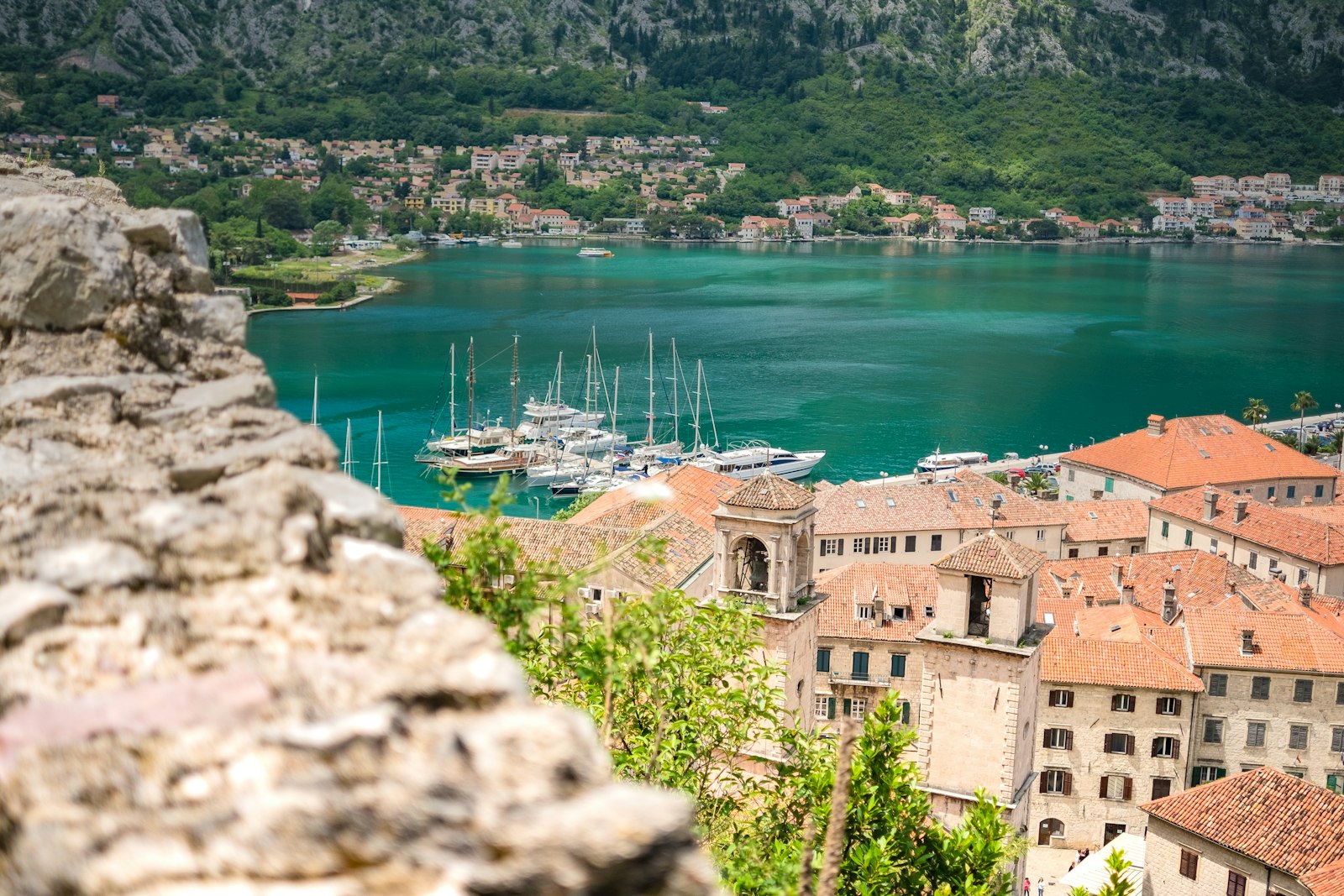
Moving from Italy to Montenegro
Across the Adriatic from Italy to a small mountainous country on its eastern shore, a short hop by ferry or a drive around the head of the sea. Here is what it really costs to move a home from Italy to Montenegro, how long it takes, how Montenegrin customs treats your used goods now that you are leaving the EU, and the residence routes movers actually use.
Moving from Italy to Montenegro takes you across or around the Adriatic to a small country of dramatic mountains, a jagged coastline and a relaxed Mediterranean pace that will feel familiar to anyone leaving Italy. People make this move for the lower cost of living, for property by the sea at a fraction of Italian prices, for work in tourism and shipping, or to retire somewhere warm and quiet within easy reach of home. Montenegro sits just across the water, so the move is short in distance, but because Montenegro is outside the European Union your goods are now exported from the EU and imported into a third country, which adds a customs step that an internal EU move would not have.
The logistics offer a choice. Many households use a ferry across the Adriatic from an Italian port such as Bari or Ancona to the Port of Bar on the Montenegrin coast, which is fast and avoids a long detour. Others move overland by road, driving down through Slovenia and Croatia and into Montenegro, which suits goods collected away from the ferry ports. Either way a shared load keeps the price down by consolidating with other shipments, while a dedicated truck moves on your own schedule. Both routes end with customs clearance at the frontier, so the planning question is less about distance than about paperwork.
This guide gives you indicative 2026 costs you can plan around, an honest timeline including the customs step, how Montenegrin customs treats used household goods for people taking up residence, and the residence routes that fit the typical mover from Italy. Treat the numbers as planning ranges and get a binding pre move survey for a figure you can rely on.
What it costs to move from Italy to Montenegro.
A move from Italy to Montenegro is a short international job by ferry or road, with a customs step at the Montenegrin frontier. The figure turns on your volume, whether you share a load or take a dedicated truck, the route you choose, and the clearance and delivery in Montenegro. Ranges below are indicative for 2026 and door to door.
Indicative ranges for 2026 in US dollars, door to door. Volume, the route, customs handling at the frontier, season and access on Montenegro's coastal and mountain roads move the figure. These are planning ranges, not quotes.
The biggest lever is volume, because both ferry freight and road transport are priced by the space your goods take and by distance. After that the route and the choice between a shared load and a dedicated truck matter most. A shared load is cheaper and suits a studio or a partial home, but it consolidates with other shipments and takes longer, while a dedicated truck or trailer moves only your goods on your own schedule. The customs step adds a real but modest cost in clearance handling and any storage while documents are processed, which an internal EU move would not carry. Access in Montenegro can also add cost, as the coastal towns and mountain villages have narrow, steep streets that may need a smaller shuttle vehicle for the final delivery.
How long a move from Italy to Montenegro takes.
From first quote to the last box unpacked, an Italy to Montenegro move usually runs about two to four weeks once you include planning and customs. The distance is short, so the timeline is mostly the consolidation wait and the frontier clearance. Here is a realistic sequence.
Book three to six weeks ahead
Arrange your pre move survey and confirm a mover early. Ferry space across the Adriatic and road slots through the Balkans are easier to secure with notice. Line up your Montenegrin residence paperwork in parallel, because customs relief depends on it.
One to two days on site
Professional packing of a two to three bedroom home takes a day or two. Everything is inventoried for the customs file, and the load is collected at your home in Italy or sent to the origin depot for a shared shipment.
A few days by ferry or road
A ferry from Bari or Ancona to the Port of Bar crosses the Adriatic in well under a day, while an overland route through Slovenia and Croatia takes one to three days for a dedicated truck. A shared load takes longer because of its other stops.
A few days to a week
Because Montenegro is outside the EU, your goods are cleared into the country by the Revenue and Customs Administration, the Uprava prihoda i carina. With your residence documents and inventory in order the relief for transferred residence is processed at the frontier or inland depot.
One day in Montenegro
Once cleared, your goods are delivered and unpacked at your home, whether on the Bay of Kotor, in Budva, in Podgorica or in a mountain village. Confirm access in advance, as many coastal and old town streets are tight for a large vehicle.
How Montenegro treats your household goods from Italy.
Montenegro is outside the European Union, so a move from Italy means your goods are exported from the EU and imported into Montenegro as a third country. The customs work is handled by the Revenue and Customs Administration, the Uprava prihoda i carina. The good news is that people transferring their residence to Montenegro can usually bring in used household effects with relief from import duty, provided the goods are genuinely used, owned before the move, and brought in within a reasonable period of you taking up residence. This relief is the reason your residence status matters so much to the move.
To claim the relief you generally need proof of your Montenegrin residence, such as a temporary residence permit, a boravak, along with a detailed inventory of your goods, your passport, and the transport documents. The clearance is more involved than an internal EU move but is routine for an agent who handles household imports into Montenegro. New goods still in packaging, items beyond the personal allowance, alcohol and tobacco in quantity, and restricted categories such as firearms follow their own rules and can attract duty and tax, so keep your inventory clearly personal and used.
A vehicle can be imported into Montenegro, but it follows its own registration and possibly duty process rather than travelling automatically free with your household goods, and many movers simply drive their own car down and register it locally. Pets need the right health certification to cross the borders en route and to enter Montenegro. For the household itself, a clearly used inventory, your boravak, and a good local agent are what keep a Montenegrin clearance moving smoothly.
Residence routes from Italy to Montenegro.
As an Italian citizen you can enter Montenegro visa free for short stays, but to settle and to claim customs relief you need a residence permit, a boravak, granted on a specific basis. These are the routes people moving from Italy use most, in summary form.
A temporary residence and work permit covers foreign nationals coming to work in Montenegro, whether employed by a local company or self employed. It is the standard route for people relocating from Italy for a job and is renewed periodically toward longer term residence.
- Type
- Work residence
- For
- Employees
- Basis
- Montenegrin work
Owning property in Montenegro is a recognised basis for temporary residence, which makes it a popular route for movers from Italy buying a home on the coast or in the mountains. The permit is tied to the property and renewed periodically.
- Type
- Residence by property
- For
- Property owners
- Basis
- Owned home
Residence on the basis of family reunification covers the close relatives of citizens and residents. It is a common route for people moving from Italy to join a partner or family already settled in Montenegro.
- Type
- Family
- For
- Relatives
- Basis
- Family link
Setting up or running a company in Montenegro can support a temporary residence permit, which suits entrepreneurs and remote business owners relocating from Italy. The route ties your residence to your active business in the country.
- Type
- Business residence
- For
- Founders
- Basis
- Montenegrin company
How to choose a mover for this route, with no names attached.
This site never names, ranks, or recommends a moving company. Instead, here is the neutral checklist that separates a safe international mover from a risky one. Apply it to every quote you receive on the Italy to Montenegro lane.
Get Moving Quotes for Italy to Montenegro.
One short form reaches vetted international movers who run this exact route. No obligation, and no moving company is shown or ranked on this page. You receive quotes to compare on your own terms.
Plan the move with a clear head.
Subscribe to The Relocation Brief for practical, country specific relocation guidance, sent when it is genuinely useful. No spam, and you can leave any time.
Questions people ask about this move.
How much does it cost to move from Italy to Montenegro in 2026?
A move for a 2 to 3 bedroom home typically runs about 2,700 to 6,400 US dollars for a shared load and 4,200 to 7,500 dollars for a dedicated truck, door to door. A studio is less and a larger home more. Volume, the route, customs handling and access on Montenegro's roads drive the figure. These are indicative 2026 ranges, not quotes.
How long does moving from Italy to Montenegro take?
Door to door, plan on roughly two to four weeks once you include planning and customs. A ferry from Bari or Ancona to the Port of Bar crosses in under a day, an overland route takes one to three days for a dedicated truck, and clearing the goods into non EU Montenegro adds a few days at the frontier.
Do I pay customs duty moving from Italy to Montenegro?
Montenegro is outside the EU, so your goods are exported and imported, but people transferring residence can usually bring used household effects in with relief from duty through the Revenue and Customs Administration, the Uprava prihoda i carina. You need your residence documents, such as a boravak, and a detailed inventory. New goods and restricted items follow their own rules. Verify before you move.
Do I need a residence permit to move from Italy to Montenegro?
Yes. As an Italian citizen you can enter Montenegro visa free, but to settle and to claim customs relief you need a temporary residence permit, a boravak, granted on a basis such as work, property, family or business. This is general information, not immigration advice.
Can I bring my car from Italy to Montenegro?
A car can be imported into Montenegro, but it follows its own registration and possibly duty process rather than travelling automatically free with your household goods. Many movers drive their own car down. Confirm the current vehicle rules with the Montenegrin customs authority before you rely on them.
Is moving from Italy to Montenegro by road or by sea?
Both are common. A short Adriatic ferry from an Italian port such as Bari or Ancona to the Port of Bar suits coastal deliveries, while an overland route through Slovenia and Croatia suits goods collected inland. A shared load on either route keeps the cost down.