Moving to Montenegro
A small Adriatic country on the euro, with a low cost of living and an unusually open door to residence. Here is the honest brief on what it costs to ship your home there, how customs and residence permits work, and what your first month on the ground looks like.
A low cost Adriatic life, with residence within reach.
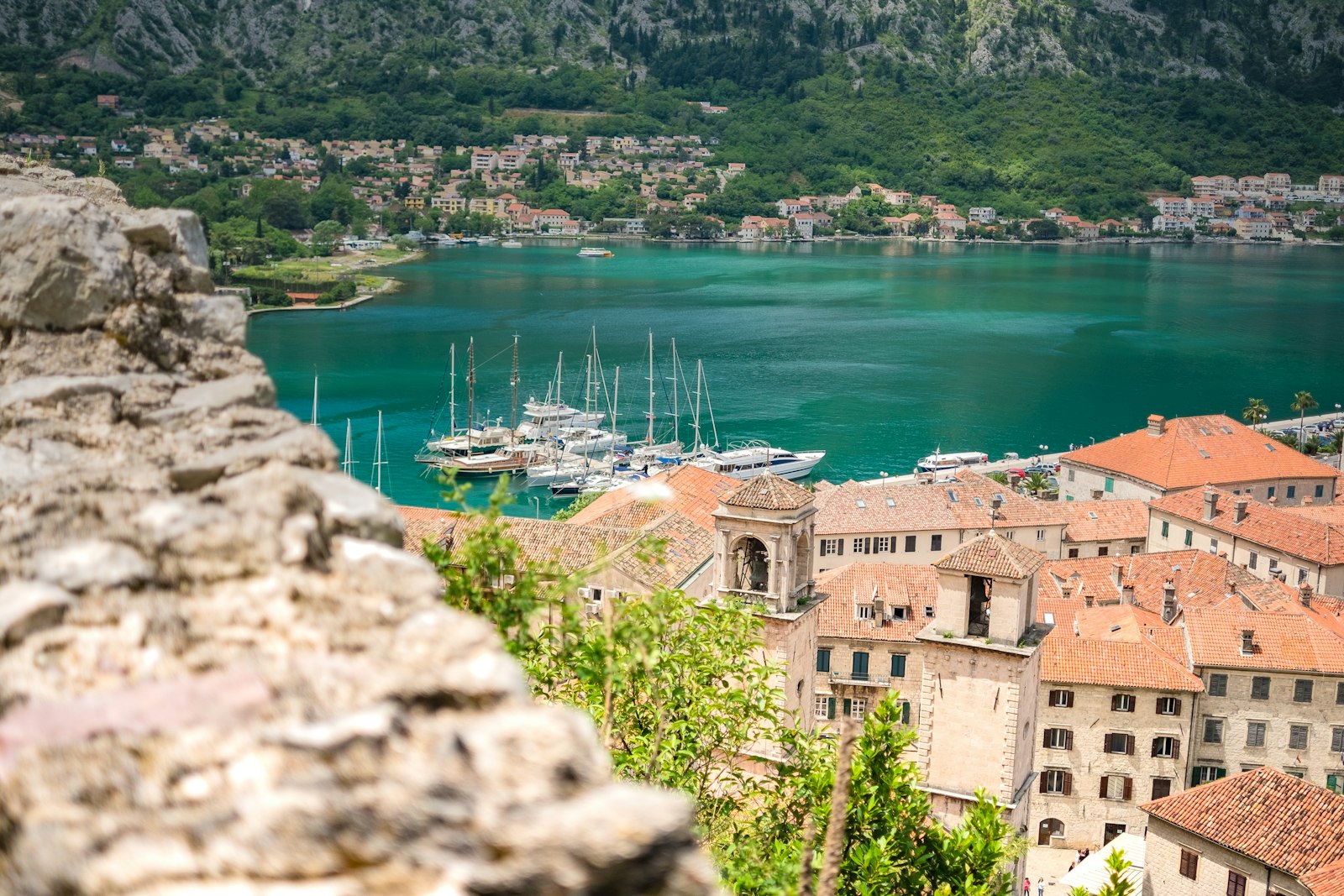
People move to Montenegro for a mild Adriatic coast, mountains an hour inland, and a cost of living well below most of Western Europe, all paid for in euros without a currency to change into. The Bay of Kotor, the old towns, and the long beach strip around Bar and Budva draw a steady stream of remote workers, entrepreneurs, and retirees who want southern European living at a gentler price.
It suits location independent earners whose income comes from abroad, people buying a home on the coast who want a residence permit to match, founders willing to register a small local company, and retirees living on a pension. It suits people chasing high local salaries far less well, because wages in Montenegro are modest and the economy is small. Be honest about where your income comes from before you commit.
Montenegro is a candidate to join the European Union and has aligned much of its rulebook with the bloc, but it is not a member yet, so you do not get European Union free movement and your goods still cross a customs border. The bureaucracy is lighter than some neighbours but runs in Montenegrin, so build in time and, often, local help for the paperwork.
The country is small enough to learn quickly. The coast and the capital sit within a couple of hours of each other, the airports at Podgorica and Tivat connect you to the rest of Europe in season, and an expatriate network of remote workers and retirees has grown up around the bay and the main coastal towns. That community is one of the reasons a move here feels manageable even though you are arriving outside the European Union framework, and it is worth tapping into early for honest local guidance on housing, schools, and the residence process.
The realistic routes to residence.
Montenegro is not in the European Union, so most foreign movers settle on a temporary residence permit granted on a specific basis, applied for through the Ministry of Interior and renewed each year until permanent residence becomes possible.
A Montenegrin employer or your own registered company supports a temporary residence and work permit. Setting up a local company and employing yourself is a path many location independent movers use.
Owning residential property in Montenegro can support a temporary residence permit, a route favoured by people buying on the coast or around the Bay of Kotor.
Spouses and close family of Montenegrin citizens or residents can apply for residence on family grounds, subject to proof of the relationship and means.
Students enrolled in Montenegro and people on other recognised grounds can apply for temporary residence, renewed each year while the basis holds.
Bringing your household goods in.
Because Montenegro sits outside the European Union customs union, your belongings are formally imported and pass a customs step, whether they arrive by road across a land border or by sea at the Port of Bar, the country's main commercial seaport. Used personal and household effects can usually be admitted with relief from import duty and value added tax when you are genuinely transferring your residence, on the strength of a detailed inventory.
The clearance is handled by the Revenue and Customs Administration, the Uprava prihoda i carina. Prepare a clear, valued list of what you are shipping, in line with what your destination agent advises, and keep proof that you are moving your home, such as your residence application, a tenancy or purchase, and your passport. New goods still in their packaging, along with alcohol and tobacco beyond personal allowances, can fall outside the relief and attract charges.
Vehicles are a project of their own. Importing and registering a car means meeting Montenegrin requirements and any applicable duties, so weigh that against buying locally. Pets travel with up to date rabies vaccination and the right veterinary paperwork. Because clearance depends on your documents being in order, the smoothest moves are the ones where the inventory and proof of residence are ready before your goods reach the border or the port.
How to pick a mover for this route, without the guesswork.
We do not rank or recommend individual companies. We teach you the criteria that separate a safe international move from an expensive mistake, then put your request in front of vetted movers who run this lane.
Check the trade affiliation. Membership of FIDI or IAM is the clearest signal a mover is financially screened and bound to industry standards for international household goods. For Montenegro, look for a company that knows the land border crossings and the Port of Bar clearance, because a mover who has cleared these shipments before saves you days.
Insist on a binding pre move survey. A real video or in home survey of your volume is the only honest basis for a price. A quote given without one is a guess that tends to grow on moving day.
Compare like for like. Read what each quote includes: packing, materials, customs clearance, destination delivery, any long carry on narrow coastal streets, and insurance. The cheapest headline number is rarely the cheapest move.
Understand the insurance terms. Ask whether cover is full replacement value or depreciated, what the excess is, and how claims are handled. Read the valuation clause before you sign.
Read recent reviews for this corridor. A mover can be strong domestically and weak on international shipments. Look for verified reviews that mention the actual route and the Montenegrin customs experience.
What life costs once you land.
Montenegro is one of the more affordable places to live in Europe, with the coast pricier than the interior. The euro is the everyday currency, which makes arriving from the euro area simple.
Indicative 2026 figures in US dollars. Your town and lifestyle will move these numbers, with the coast around Kotor and Budva at the higher end.
Where people land
Podgorica, the capital, has the jobs, the airport links, and the lowest coastal premium, though it lacks the postcard appeal. The Bay of Kotor, with Kotor and Tivat, is the scenic favourite and the priciest. Budva is the summer hub on the open coast, busy in season and quieter in winter. Bar combines the main seaport with more everyday prices, and Herceg Novi anchors the northern bay. Pick the town for the life you actually want year round, not just for August.
Healthcare and banking
Public healthcare runs through the Health Insurance Fund, the Fond za zdravstveno osiguranje, which you access once you hold residence and pay contributions. Many newer arrivals also carry private insurance and use private clinics, especially on the coast, for shorter waits. Confirm what your status entitles you to as part of your move.
Two early tasks unlock much of daily life. Get a PIB, the personal tax identification number, and open an account at a local bank, which usually wants your residence documents and PIB. With those in place you can set up salary or transfers, rent, and utilities in your own name.
Your first month checklist
- 1Register your address with the local police, which arrivals are expected to do soon after entry.
- 2Start your temporary residence permit application through the Ministry of Interior on your chosen grounds.
- 3Obtain a PIB tax identification number so you can bank and contract in your own name.
- 4Open a local bank account with your residence documents and PIB.
- 5Sort health cover, whether through the Health Insurance Fund once eligible or private insurance.
- 6Get a local SIM and check how long you can drive on your existing licence before exchanging it.
Get moving quotes for Montenegro.
Tell us your origin, size, and timing. We pass your request to vetted international movers who run the route to Montenegro, and you compare them on your own terms.
Questions people ask about this move.
How much does it cost to move to Montenegro?
For a typical two to three bedroom household, plan on roughly 2,400 to 7,000 US dollars in 2026 from elsewhere in Europe, depending on whether you move by road or by sea to the Port of Bar, your volume, and the delivery distance to the coast or the capital. A studio or one bedroom move costs less, a four bedroom home or a sole use container more. These are indicative ranges, not a quote.
How long does shipping to Montenegro take?
A road move from within Europe usually takes about one to two weeks door to door, including a customs step at the Montenegrin border. Sea freight to the Port of Bar from a distant origin runs several weeks plus clearance. Air freight is days but costs far more by volume.
Do I pay duty on my household goods in Montenegro?
Montenegro sits outside the European Union customs union, so your goods are formally imported. Used household effects can usually be admitted with relief from duty and VAT when you are transferring your residence, on the strength of an inventory declared to the Revenue and Customs Administration. New items, alcohol, and tobacco can be charged. Confirm the current rules before you ship.
How do I get residency in Montenegro?
Most foreign movers apply for a temporary residence permit through the Ministry of Interior on grounds such as employment, owning a company, owning property, family, or study. It is typically granted for up to a year and renewed, and after five continuous years you can apply for permanent residence. This is a summary, not immigration advice.
What currency does Montenegro use?
Montenegro uses the euro, even though it is not a member of the eurozone or the European Union. It adopted the euro unilaterally, so there is no separate local currency to change into, which makes budgeting simple for people arriving from the euro area.
What should I do first when I arrive in Montenegro?
Register your address with the police, start your residence permit application, get a PIB tax number, and open a local bank account. Those steps unlock housing, work, and health cover, and most other admin follows from them.
Moving to Montenegro from where you are.
We are adding dedicated corridor guides into Montenegro. In the meantime, start from your origin hub for the costs, customs, and timeline that apply to moving abroad from your country, or browse them all on the corridors index.
From Western Europe
From the Nordics
From the Gulf and Asia
From North America
We refresh destination guides as rules and prices change.
All routes for this guide.
Last reviewed: 25 March 2026. We refresh this guide as costs, customs, and visa rules change.