Moving to Costa Rica: the complete guide
Costa Rica has built a life around stability, nature, and the unhurried idea of pura vida. Here is the honest brief on what it costs to ship your home, the residency routes that actually work, and how customs treats your belongings.
Costs are indicative ranges for 2026.
Stability, biodiversity, and a slower setting.
People move to Costa Rica for a gentler pace, a warm climate, extraordinary nature, and a country that abolished its army and put the money into health and education instead. It draws retirees, remote workers, and families looking to reset rather than chase a career.
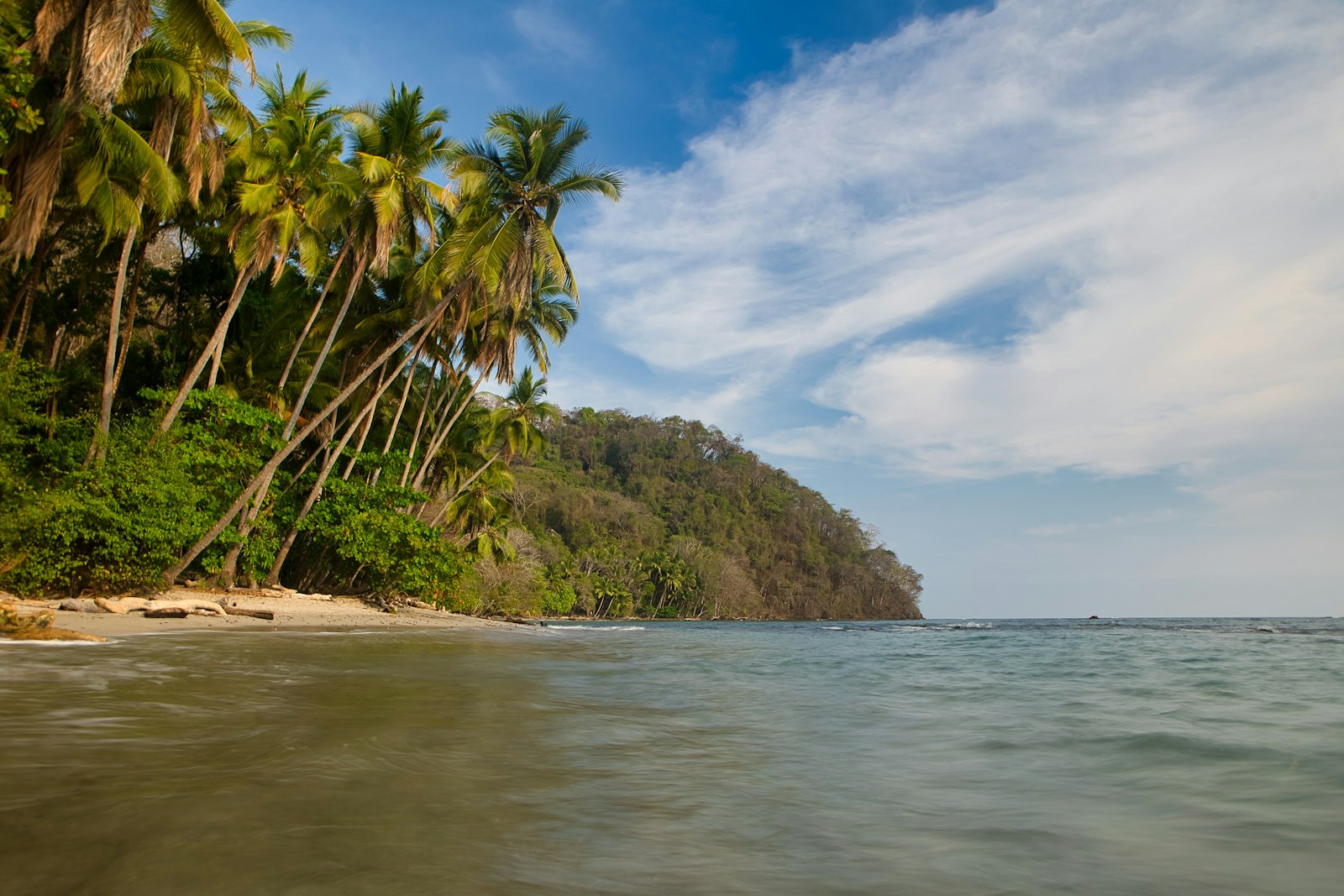
The natural setting is the headline. A small country holds a remarkable share of the planet's biodiversity, with rainforest, cloud forest, volcanoes, and two coastlines within a few hours of each other. For many movers the daily access to beaches, hiking, and wildlife is the whole point.
Stability is the quiet attraction. Costa Rica is one of the most settled democracies in the region, with a long established health system, the Caja, and a culture that prizes calm over confrontation. The Central Valley around San Jose offers a spring like climate year round and the bulk of the jobs, schools, and hospitals.
The honest counterweight is that imported goods, cars, and electronics are expensive, roads and bureaucracy move slowly, and residency takes patience. The phrase tico time is affectionate but real. People who arrive expecting first world speed at tropical prices are usually the ones who leave disappointed.
Who it suits, honestly
Costa Rica suits retirees with a pension, remote workers earning in a stronger currency, and families who want nature and a slower rhythm over career velocity. It is less suited to those who need fast services, cheap imported goods, or a big city job market, and to anyone who cannot make peace with a relaxed pace.
The residency routes that actually work here.
Most movers enter on one of a few well worn categories based on pension, income, investment, or remote work. The immigration authority is Migracion, and the process rewards patience and complete paperwork.
For people with a stable lifetime pension above the set monthly threshold. It is the classic retirement route and grants access to the public health system once you are enrolled.
For those who can show a guaranteed monthly income from investments or savings, or deposit a qualifying sum with a local bank. Popular with younger movers who are not yet retired.
For people making a qualifying investment in property or a business in Costa Rica. It suits movers who want to put capital into the country in exchange for residency.
For remote employees and freelancers earning from outside Costa Rica above the income threshold, granting a temporary stay with tax advantages on foreign income.
Bringing your household goods into Costa Rica.
Costa Rica taxes imports heavily as a rule, but residents in certain categories can bring a household of used goods with relief. Getting the category and the timing right is what makes or breaks the customs bill.
Used household goods, known locally as menaje de casa, can qualify for import relief for people approved in a residency category such as pensionado, rentista, or inversionista, within a window tied to your residency approval. The benefit covers a reasonable household of personal effects rather than commercial quantities, and it is claimed through a customs process that requires an itemised, valued inventory, usually translated into Spanish and legalised.
Outside that relief, Costa Rica applies significant duties and taxes on imported goods, which is why electronics, appliances, and especially cars cost far more than many newcomers expect. Many movers deliberately ship less and buy locally, accepting higher prices in exchange for a smaller, simpler shipment and a lower customs exposure.
Restricted and sensitive items include firearms, certain foods and plants, and protected species products. Pets need a microchip, rabies vaccination, and an import permit with a health certificate. Vehicles are technically importable but the combined taxes are steep, so most movers compare the landed cost against simply buying a car in country.
Verify before you move. Relief categories, time windows, and the value limits on a menaje de casa change, and the paperwork must usually be translated and legalised. Confirm the current process with Costa Rican customs and a local relocation agent or lawyer before shipping, particularly for vehicles and high value electronics.What life costs once you arrive.
Local food, rent outside the tourist hotspots, and services are affordable, while anything imported is not. Your monthly cost depends heavily on whether you live like a local or like an expat. Figures below are indicative and in US dollars.
Indicative monthly figures for 2026 in US dollars. The US dollar is widely accepted alongside the colon, and lifestyle choices swing these numbers more than location alone.
Healthcare
Costa Rica runs a respected public health system, the Caja Costarricense de Seguro Social, usually called the Caja. Legal residents enrol and pay a monthly contribution based on income, which gives access to public care. Many residents also carry private insurance for faster service at private hospitals in the Central Valley, where care is well regarded and far cheaper than in North America.
Banking and money
Opening a local bank account generally requires your DIMEX residency card, so banking often follows the residency approval. Until then, many movers rely on international cards and US dollar accounts, since dollars are widely accepted. Once resident, a local colon account makes paying utilities and rent much simpler.
Your first month checklist
Once your residency is approved, collect your DIMEX card from Migracion, enrol in the Caja, and open a local bank account. Sort a long term rental, get a local mobile number, and register for utilities. If you shipped a household, line up your menaje de casa customs clearance within the allowed window so you do not miss the relief.
What shipping your home to Costa Rica costs.
Most international moves arrive by sea through Limon on the Caribbean side or Caldera on the Pacific. Cost depends on origin, with North America the most common and cheapest lane, and Europe, Asia, or Oceania sitting higher. Ranges below cover 2026.
Indicative ranges for 2026 in US dollars. Volume, season, port access, and destination delivery distance move the final number. A binding pre move survey is the only way to get a real figure.
How to choose a mover for Costa Rica
We never name, rank, or recommend a moving company. Instead, here is the neutral checklist we would use ourselves. Apply it to any quote you receive, then request comparable quotes through the form below.
FIDI or IAM affiliation
Membership of the FIDI Global Alliance or the International Association of Movers signals audited financial stability and a complaints process you can lean on if something goes wrong.
Real corridor experience
Ask how many households the company has shipped on your exact route in the past year. A mover that runs the lane weekly knows the ports, the customs broker, and the paperwork by heart.
A binding pre move survey
Insist on a video or in home survey and a binding or not to exceed quote. A price built from a real volume estimate is the only quote you can compare like for like.
Clear insurance terms
Read how marine transit cover is calculated, what the deductible is, and whether valuation is by replacement value. Vague cover is the most common regret on an international move.
Verifiable reviews
Look for recent, specific reviews that name the destination, not just star ratings. Patterns in how a company handles claims tell you more than any single glowing note.
Written scope and timeline
Everything that matters belongs in writing: packing, customs clearance, delivery, unpacking, and debris removal, with who pays destination charges spelled out.
Get moving quotes for your move to Costa Rica.
One short form, shared with vetted international movers who run lanes into Limon and Caldera. No obligation and no pressure.
One useful email a month for people moving countries.
Real cost movements, customs rule changes, and corridor notes. No spam, and you can leave whenever you like.
Questions people ask about this move.
How much does it cost to move to Costa Rica?
For a 2 to 3 bedroom home, a shared container typically costs from about 5,500 to 13,000 US dollars in 2026, with North American origins cheapest and Europe, Asia, or Oceania higher. Many movers ship less and buy locally to cut both freight and customs, so get a survey before deciding what to bring.
Do I pay duty on my household goods in Costa Rica?
If you are approved in a residency category such as pensionado, rentista, or inversionista, you can usually import a household of used goods (a menaje de casa) with relief inside a set time window, using an itemised, legalised inventory. Outside that, imports are taxed heavily. Confirm the current process before shipping.
What is the DIMEX and the Caja?
The DIMEX is the residency identity card issued by Migracion to approved foreign residents, and it unlocks banking and services. The Caja is the public health system you enrol in as a legal resident, paying a monthly contribution based on income for access to public healthcare.
How long does shipping to Costa Rica take?
Plan on roughly three to five weeks from North America and five to seven weeks from Europe, Asia, or Oceania, including sea transit and customs clearance at Limon or Caldera. Shared container services add time while they consolidate a full load.
Should I bring my car to Costa Rica?
Usually it is cheaper to buy locally. Vehicle import taxes are steep, so once you add freight and duties the landed cost of shipping a car is often higher than buying an equivalent one in country. Compare both before committing, and treat any vehicle as a separate budget line.
Moving to Costa Rica from your country.
Pick your origin for a corridor guide built specifically for that pair, with the costs, customs notes, and timeline for that exact route into Costa Rica.