Moving to Iceland: the complete guide
Iceland is small, remote, expensive, and extraordinary. The move itself is a logistics exercise across the North Atlantic, and life switches on around one number, the kennitala. Get the residence basis and the customs paperwork right and the rest follows. Here is the honest brief.
Who Iceland actually suits.
Iceland suits people moving for a specific job, often in tourism, energy, fishing, healthcare, or technology, for a partner, or for the sheer pull of one of the most dramatic landscapes on earth. It rewards those who value clean air, safety, strong public services, and easy access to volcanoes, glaciers, and geothermal pools, and who can accept long dark winters, fierce weather, and prices that surprise almost everyone on arrival.
Iceland is not in the European Union but is in the European Economic Area and the Schengen Area, so citizens of the European Union and the European Economic Area can live and work here under a registration scheme. Everyone else needs a residence permit, and because the island is remote and the housing market in Reykjavik is tight, non European Economic Area nationals must usually have their permit approved before they travel.
People who settle well treat the first months as a setup project built around the kennitala, the national identity number that unlocks everything. Once that and a local bank account are in place, daily life is efficient, digital, and safe.
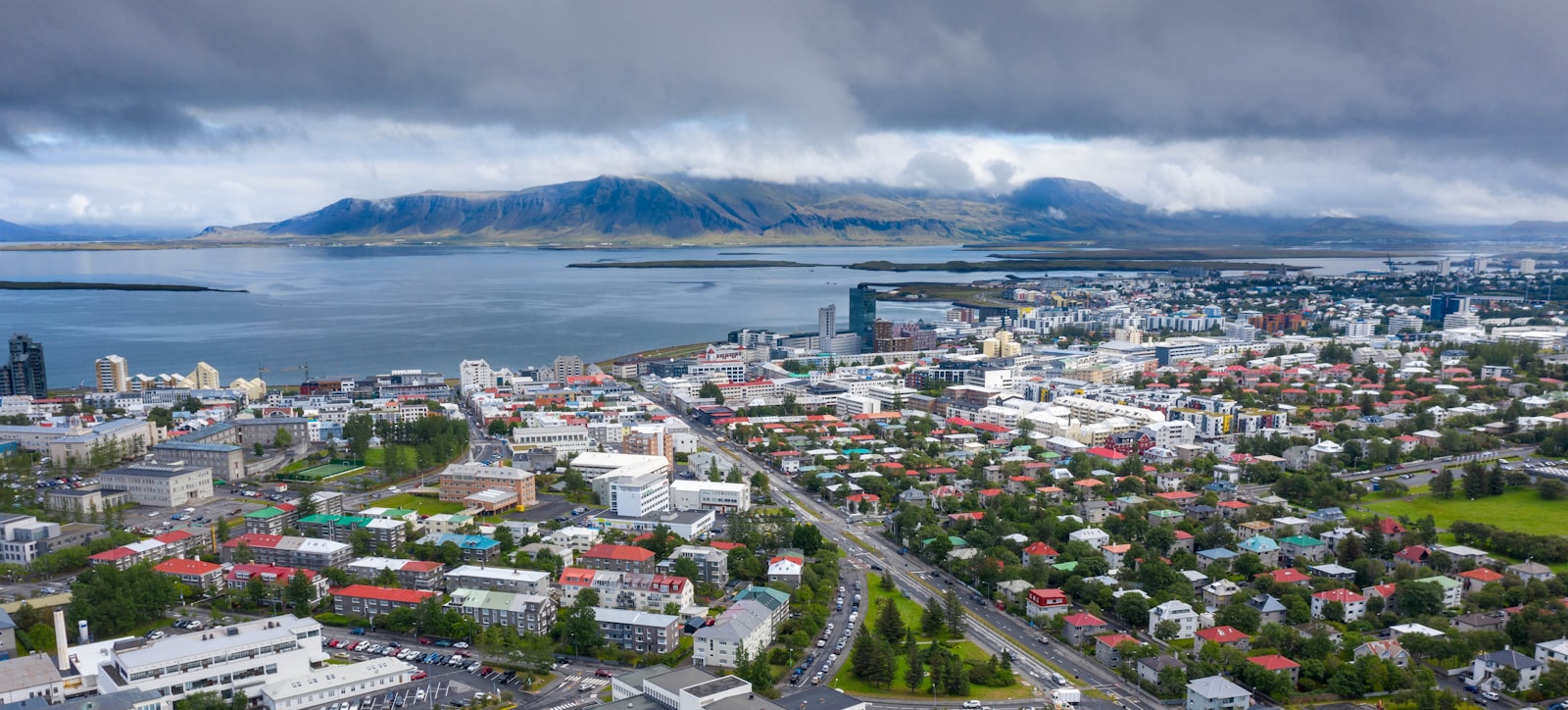
Where you land matters less than in larger countries, because most of the population lives in or near Reykjavik, the capital, where the jobs, services, and international community concentrate. Akureyri in the north is the main town beyond the capital region, and smaller communities around the coast offer space and isolation in equal measure. Most newcomers start in the Reykjavik area and decide from there whether they want the capital or the quiet.
The realistic routes to live in Iceland.
Citizens of the European Union and the European Economic Area can live and work in Iceland and simply register. Everyone else needs a residence permit, usually approved before arrival. These are the routes most movers use.
Citizens of the European Union and the European Economic Area do not need a permit. You register your residence with Registers Iceland and obtain a kennitala, then confirm a legal right of residence such as work or study.
- Basis
- EU or EEA citizenship
- Process
- Register, no permit
- Gives
- Kennitala
- Work
- Unrestricted
Non European Economic Area nationals need a residence and work permit, usually tied to a specific job, decided by the Directorate of Immigration, and normally approved before you travel to Iceland.
- Basis
- Job offer
- Via
- Directorate of Immigration
- Approved
- Before arrival
- Type
- Residence and work
Spouses, partners, and children of a resident can join under family rules, subject to housing and support conditions for the sponsor.
- Basis
- Family tie
- Test
- Housing and support
- Then
- Residence permit
- Path
- Leads to long term
For a place at an Icelandic university or college, granting residence for the duration of study, with limited work rights alongside.
- Basis
- Course offer
- Valid
- Study period
- Work
- Limited
- Then
- Switch if you stay
Bringing your household goods into Iceland.
Iceland is outside the European Union but inside the European Economic Area, and it runs its own customs regime, administered by Iceland Revenue and Customs, Skatturinn. Your removal goods are cleared on entry, normally through your shipping agent.
You can usually import used household and personal goods free of customs duty and value added tax under the removal goods rules, provided you have lived abroad for a qualifying period, have owned and used the goods abroad, and are moving your residence to Iceland. You declare the goods on arrival with a detailed valued inventory, your passport or residence document, and proof that you are establishing residence. Goods bought shortly before the move, or owned for too short a time, can attract duty and value added tax, so keep evidence of ownership and use.
Restricted and prohibited categories apply, and Iceland is notably strict on importing food, with limits on meat, dairy, and eggs to protect its agriculture, as well as controls on weapons and certain plants. Pets face one of the tighter regimes in Europe, with import permits, vaccinations, and a quarantine requirement, so plan a pet move far in advance and confirm the current rules. A vehicle can be imported under the removal goods rules in some cases, but registration and inspection costs apply, so price it before shipping. Keep your inventory and customs paperwork together for clearance.
What life costs, and how to switch it on.
Iceland is one of the most expensive countries in the world. Groceries, eating out, alcohol, and many imported goods cost a lot, because almost everything arrives by sea or air, and housing in the Reykjavik area is dear and tight. Wages are correspondingly high and the labour market is strong, so a local salary makes the prices workable, but newcomers should budget generously for the first months, including warm, weatherproof clothing that the climate genuinely demands.
Healthcare is public and good, but access depends on residence. Once you have been a registered resident for six months you are generally covered by the national health insurance system, and many people take out private cover for the initial waiting period. You register with a local health centre for everyday care. Banking depends on the kennitala: once you have your national identity number you open an account and gain access to the digital services that run almost everything, since Iceland is highly cashless and online.
Families find strong, mostly free public schooling and subsidised childcare, which helps offset the high prices once you are inside the system. Icelandic is a difficult language, but English is very widely spoken, so you can function from day one while you learn. Connectivity is excellent even in a small, remote country, and the compact society means services are close at hand. The biggest adjustments are the cost of living, the darkness and weather in winter, and the sense of distance that comes with island life.
Your first month checklist
How to choose a mover for this route, with no names attached.
This site never names, ranks, or recommends a moving company. Instead, here is the neutral checklist that separates a safe international mover from a risky one. Apply it to every quote you receive.
Get Moving Quotes for Any to Iceland.
One short form reaches vetted international movers who run this exact route. No obligation, and no moving company is shown or ranked on this page. You receive quotes to compare on your own terms.
Plan the move with a clear head.
Subscribe to The Relocation Brief for practical, country specific relocation guidance, sent when it is genuinely useful. No spam, and you can leave any time.
Questions people ask about this move.
How much does it cost to move to Iceland?
As an indicative range for 2026, a 2 to 3 bedroom move into Iceland by shared container runs roughly 4,500 to 9,500 US dollars from northern Europe and more from further afield, before packing, insurance, and destination delivery. Because everything reaches the island by sea or air, freight is a larger share of the cost than usual, so your volume and origin port drive the real figure.
Do I pay duty on my belongings when moving to Iceland?
Used household goods are commonly admitted free of customs duty and value added tax under the removal goods rules if you have lived abroad, owned and used the goods, and are establishing residence in Iceland. You declare them to Iceland Revenue and Customs, Skatturinn, on arrival. Recently bought items can be treated differently, so verify the current rules before you ship.
What is a kennitala and why do I need one?
The kennitala is Iceland's national identity number, issued by Registers Iceland, Thjodskra Islands, when you register your residence. You need it for employment, banking, healthcare, tax, and almost every official and digital service, so obtaining it is the single most important early step after you arrive.
Do citizens of the EU need a visa to move to Iceland?
No. Iceland is in the European Economic Area and the Schengen Area, so European Union and European Economic Area citizens can live and work there under a registration scheme rather than a permit. Non European Economic Area nationals need a residence permit, usually approved before travel. This is not immigration advice, so confirm the current steps with the official Icelandic source.
Is healthcare free in Iceland?
Iceland has a strong public health system, but access depends on residence. Once you have been a registered resident for six months you are generally covered by national health insurance, and many newcomers take out private cover for that initial period. You register with a local health centre for everyday care.
How long does shipping to Iceland take?
From northern Europe, a sea move to Reykjavik's container harbour at Sundahofn is usually a couple of weeks plus clearance, since regular liner services run from ports such as Rotterdam and the Nordic countries. From further afield it takes longer and often routes through a European hub. Book ahead, because schedules to a small island are less frequent.
Moving to Iceland from your country.
Corridor guides with the costs, customs detail, and visa routes specific to each origin. Grouped by region.