Moving to Mauritius the complete guide
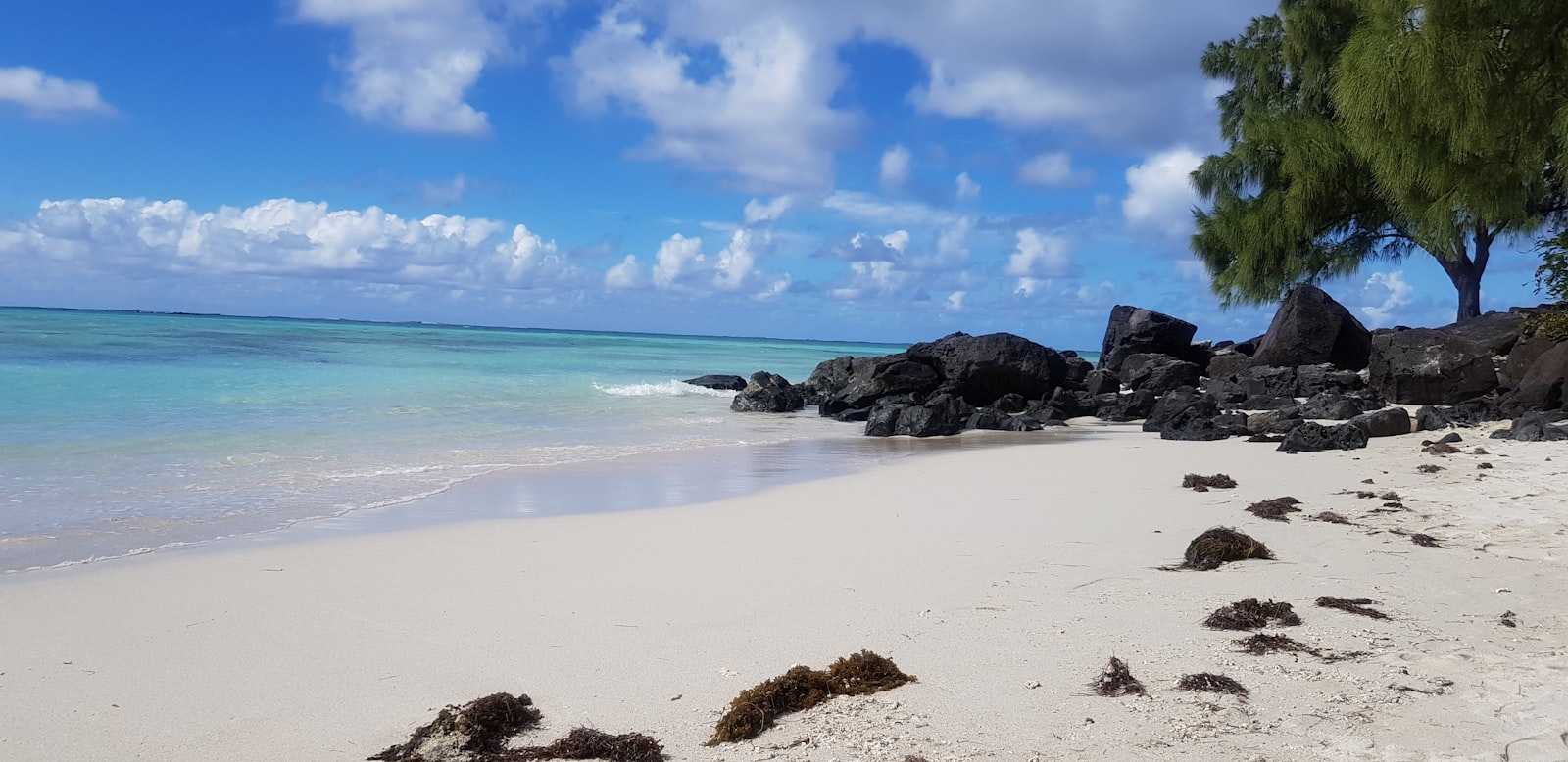
A tropical Indian Ocean island where English and French are both official, the tax is light, and the beaches are extraordinary. Here is the honest brief on costs, customs and arrival for moving to Mauritius.
Costs are indicative 2026 ranges. Verify customs, visa and tax rules before you move.
Tropical island life, light tax, and two languages
Mauritius is an island nation in the Indian Ocean, east of Madagascar, ringed by lagoons and coral reefs. It combines a tropical climate, a stable democracy and a business friendly, low tax environment, which is why it attracts retirees, remote workers and entrepreneurs alongside the holidaymakers. Both English and French are official languages, and Mauritian Creole is the language of the street, so many newcomers find communication easier than they expect.
The island is small enough to feel knowable, with the capital and main port at Port Louis on the northwest coast, smart residential and beach areas in the north around Grand Baie, and a quieter, greener south and east. The economy has diversified well beyond sugar and tourism into financial services and technology, and the government actively courts foreign residents and investors with dedicated permits.
Life is geared to the outdoors and the water, with diving, sailing, kitesurfing and golf all part of the appeal. The cost of living is moderate, higher than parts of Southeast Asia but reasonable for an island with this quality of life, and imported goods carry a premium because almost everything arrives by sea.
Retirees and the over fifties
A dedicated retired non citizen permit, warm weather year round, good private healthcare and an English speaking environment make Mauritius a strong retirement choice.
Remote workers and entrepreneurs
The Premium Visa and occupation permits, light taxation and reliable connectivity suit remote workers, investors and business founders.
Families wanting island life
Safety, international schools, two official languages and an outdoor lifestyle make Mauritius manageable and appealing for families.
Residence routes, in plain language
Mauritius runs its residence routes through the Economic Development Board, with occupation permits for workers and investors, a retirement permit, and a Premium Visa for longer stays by remote workers and retirees.
A combined work and residence permit for investors, professionals with a job offer above a salary threshold, and self employed people, issued through the Economic Development Board, the EDB.
Non citizens aged fifty and above can apply for a residence permit by undertaking to transfer a set amount of funds to a Mauritian account each year, a popular retirement route.
A long stay visa for remote workers, retirees and others who can support themselves from income earned outside Mauritius, allowing a year or more on the island without local employment.
Holders of occupation or residence permits who meet the income and investment conditions over time can apply for longer permanent residence, deepening their ties to the island.
Used household goods and Mauritian customs
Mauritius allows people taking up residence to import their used personal and household effects with relief from import duty and value added tax, when the goods are genuinely yours and accompany a real move rather than a commercial shipment. The Mauritius Revenue Authority, the MRA, runs customs, and your shipping agent files the clearance with a detailed valued inventory, your passport, and your residence or occupation permit or its approval.
Everything arrives by sea or air, since Mauritius is an island, and household containers clear at Port Louis, the only commercial port, on the northwest coast. There are conditions on how soon after arrival you import and on selling the goods afterwards, and quantities should be reasonable for a household. Coordinate the timing with your permit so the relief applies cleanly.
A practical point in your favour: Mauritius drives on the left and uses the 230 volt supply with British style Type G three pin plugs, so British and many Commonwealth appliances and right hand drive cars suit the island directly. Weapons, certain foods, plants and medicines are controlled, and a vehicle import carries its own duties and registration steps that you should price before shipping.
What life costs and how to get set up
Mauritius is moderately priced. Local produce, markets and eating out are affordable, while imported goods, cars and electronics carry a premium because they cross the ocean. Rent varies widely between the smart northern beach areas and quieter parts of the island. A car is close to essential outside the towns, and the Mauritian rupee is the local currency, though the island is well banked and cards are widely used.
Settling in runs through your permit from the Economic Development Board, the EDB, which coordinates much of the process for foreign residents. You register with the tax authority, the Mauritius Revenue Authority, and obtain a Tax Account Number, the TAN, if your situation requires it. The EDB acts as a one stop point for occupation and residence permit holders, which simplifies the early admin.
Healthcare is free in the public system for residents and is supplemented by a strong private sector with modern clinics, where many newcomers choose to be treated and carry private cover. With your permit, proof of address and identification you can open a Mauritian bank account, set up utilities and a local mobile number, and arrange schooling for children at local or international schools.
Your first month checklist
- Finalise your occupation, residence or Premium Visa through the Economic Development Board (EDB)
- Register with the Mauritius Revenue Authority and obtain a Tax Account Number (TAN) if required
- Arrange healthcare, choosing between the public system and private cover
- Open a Mauritian bank account with your permit and proof of address
- Set up utilities, home internet and a local mobile number
- Sort a car, since transport outside the towns is limited
- Enrol children at a local or international school
How to choose a mover for Mauritius
No mover is named or ranked anywhere on this site. Here is how to judge any company quoting a move to Mauritius, then request quotes from vetted firms that genuinely run your origin to Mauritius.
Check FIDI or IAM affiliation
Membership of FIDI through the FAIM quality standard, or of IAM, signals audited financial and operational standards. It is the single fastest filter for an international move.
Insist on a binding pre move survey
A mover who quotes your volume from a video or home survey, in writing, is quoting the real job. A price given without seeing your goods is a guess that tends to climb later.
Confirm genuine experience on this lane
Ask how many moves they run to Mauritius each year, which port or gateway and customs broker they use, and who clears and delivers the goods at the other end.
Read the insurance terms, not the headline
Compare the marine all risk cover, the valuation basis, the excess, and what counts as an exclusion. The cheapest cover is rarely the one that pays out cleanly.
Weigh reviews and complaint history
Look for recent, specific reviews that mention customs delays, damage handling and final invoices. Pattern matters more than a single rating.
Then request quotes through one form
We never name, rank or recommend a single company. Send one brief and vetted movers who run this route reply to you. You choose.
Get moving quotes for your route to Mauritius
One short brief goes to vetted international movers who run your origin to Mauritius through the port of Port Louis. Compare on scope and service, not just price.
Subscribe to The Relocation Brief
One useful email when a new corridor goes live, plus the cost and customs changes worth knowing before you move. No noise.
Moving to Mauritius, answered
How much does it cost to move to Mauritius?
As an indicative 2026 range, a two bedroom household by shared container costs roughly $3,500 to $14,000 depending on origin, volume, season and final delivery on the island. Because Mauritius is a remote island, every move is by sea or air, which puts a floor under costs. These are planning ranges, not quotes.
How long does shipping to Mauritius take?
Door to door transit typically runs three to eight weeks depending on origin, including the sailing to Port Louis, customs clearance and final delivery. Routes from Europe, the Gulf, India and Australia all converge on the single commercial port, and groupage adds consolidation time at both ends.
Do I pay duty on my household goods moving to Mauritius?
Used personal effects that accompany a genuine move normally enter with relief from import duty and value added tax, declared to the Mauritius Revenue Authority with a valued inventory and your permit. Conditions apply on timing and resale. Verify the current rules before shipping.
Which visa suits a retiree moving to Mauritius?
Non citizens aged fifty and over can apply for a residence permit by transferring a set sum each year, and the Premium Visa suits retirees who live on income from abroad. Confirm the current thresholds with the Economic Development Board before you rely on a route.
Can I bring my car and British appliances to Mauritius?
Mauritius drives on the left and uses 230 volts with British style Type G plugs, so right hand drive cars and British appliances suit the island. A vehicle import still carries duties and registration steps, so price those before you ship.
What is the first thing to do when I arrive in Mauritius?
Finalise your permit through the Economic Development Board, register with the Mauritius Revenue Authority if required, then open a bank account and arrange healthcare. The EDB acts as a one stop point for permit holders.
Corridors arriving in Mauritius
Pick your origin country for the full corridor guide with costs, customs and a timeline for that exact pair. 12 routes into Mauritius.