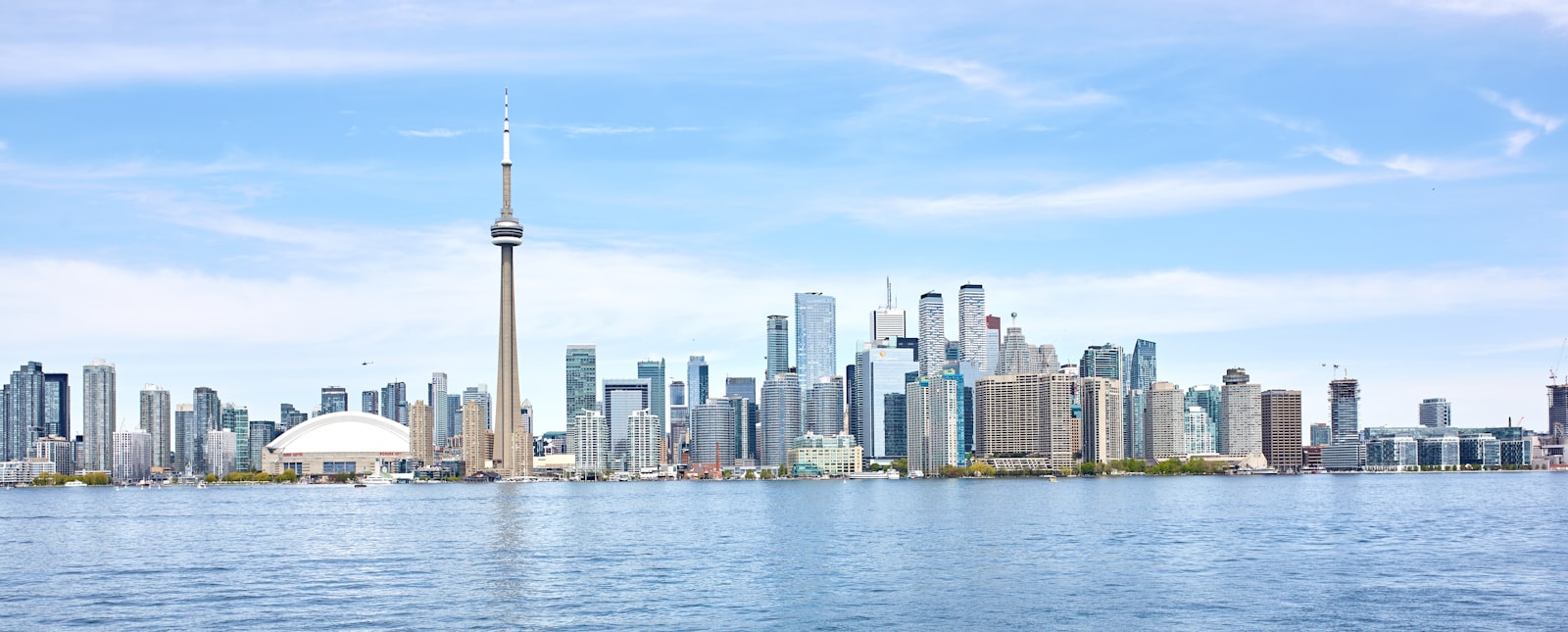
Moving from New Zealand to Canada
A long Pacific sea move where the container is on the water for weeks, your goods clear duty free as settler effects, and the early arrival jobs are your SIN and a provincial health card. Here is the honest brief on cost, transit, and settling in.
Costs are indicative ranges for 2026.
The honest summary of this move.
Moving from New Zealand to Canada is a long Pacific sea move where your container is on the water for weeks, your used household goods clear duty free as settler effects when you list them properly, and the early jobs on the ground are your Social Insurance Number and a provincial health card. For a 2 to 3 bedroom home, a twenty foot container runs roughly 6,500 to 11,500 US dollars in 2026, with delivery in about seven to eleven weeks door to door from Auckland, Wellington, or Christchurch to Vancouver, and longer to Toronto or the eastern ports.
This is a sea freight move. Your belongings are packed into a container in New Zealand, trucked to a port such as Auckland or Tauranga, and shipped across the Pacific to Port of Vancouver, with onward rail or road if you are heading to Calgary, Toronto, or Montreal. Price is driven by your volume, whether you fill a sole use container or share one, the destination city, and the season. Air freight exists for a small urgent load but costs far more, so most households ship by sea.
Your goods clear duty free as settler effects, also called personal and household effects, when you are establishing residence in Canada. The Canada Border Services Agency works from your inventory, and the key document is form BSF186, the Personal Effects Accounting Document, with the list BSF186A for goods to follow. A complete, valued list prepared before departure is what keeps clearance smooth, and goods you have owned and used generally enter without duty.
Settling in starts with the Social Insurance Number, the SIN, issued by Service Canada, which you need to work and to be paid. You then apply for the provincial health card in the province where you settle, such as MSP in British Columbia or OHIP in Ontario, noting that some provinces have a waiting period before coverage begins. Canada uses the Canadian dollar. You can usually drive on your New Zealand licence at first and then exchange it for a provincial licence.
What it costs, by home size and method.
The numbers below are indicative ranges for New Zealand to Canada in 2026. It is a long Pacific corridor, so your volume, whether you share or fill a container, the destination city, and the season drive the price.
Indicative ranges for 2026 in US dollars. The main drivers are volume in cubic metres, whether you share a container or fill a sole use twenty or forty foot box, the destination city and any inland leg to Toronto or Calgary, port and quarantine fees, packing scope, and the season.
- + Lowest cost for a studio or part load
- + You pay only for the space you use
- - Consolidation waits can extend transit
- + Best balance for a 2 to 3 bedroom home
- + Your goods sealed door to door
- - More space than a small flat needs
- + Right for a 4 plus bedroom household
- + Room for vehicles or large items
- - Overkill for an average load
A sane timeline for this move.
With weeks on the water and customs clearance on arrival, the plan is about booking early, preparing your BSF186 inventory, and lining up your SIN and health card for the first days.
Get three surveys
Have movers run video or in home surveys for an accurate volume and a binding quote that names your New Zealand collection point and your Canadian delivery address.
Book your sailing
Confirm a shared or sole use container and a sailing from Auckland or Tauranga to Vancouver or your chosen port, and agree the packing date.
Prepare customs papers
Compile your detailed inventory for form BSF186, list any goods to follow on BSF186A, and gather proof you are taking up residence in Canada.
Pack and load
The crew packs and inventories your goods in New Zealand and loads the container, which is trucked to the port for the Pacific sailing.
Clear customs
The Canada Border Services Agency clears your settler effects against your BSF186, with used household goods generally entering duty free, then the container moves to your address.
Register and settle
Apply for your SIN with Service Canada, apply for your provincial health card, open a bank account, and exchange your New Zealand driving licence.
Bringing your household goods into Canada.
Canada admits the used household goods of people settling in the country as settler effects, generally free of duty, provided you declare them with a proper inventory on form BSF186.
The Canada Border Services Agency treats the personal and household effects of someone establishing residence as settler effects. Goods you have owned and used generally enter free of duty and tax. The clearance runs off your inventory and the Personal Effects Accounting Document, form BSF186, with form BSF186A listing any goods that will arrive later, so a complete and valued list made before you leave New Zealand is the single most useful thing you can prepare.
Some categories need extra care. Alcohol and tobacco above personal allowances, firearms, certain foods, plants, and items of wood or wicker can trigger duty, restrictions, or inspection by the agency and by quarantine, so flag anything unusual with your destination agent. New Zealand is strict on biosecurity and Canada inspects for pests too, so clean outdoor gear and garden tools thoroughly before packing.
A vehicle is a project of its own. Importing a car into Canada means meeting Transport Canada and provincial requirements, and many movers from New Zealand sell their car and buy on arrival instead. Pets travel under Canadian import rules with current rabies vaccination and the required documentation.
Verify before you move. Canadian import procedures, the BSF186 process, allowances, and vehicle and pet rules change over time and differ by province. Confirm the current position with the Canada Border Services Agency and your destination agent before you move.The realistic routes for this corridor.
New Zealand citizens are not visa exempt for living in Canada, so you arrange status before you go. These are the routes through which people on this corridor typically move.
Canada selects skilled workers through Express Entry, scoring age, education, language, and experience for permanent residence. Many New Zealand professionals use this route.
With a Canadian job offer you can apply for a work permit, sometimes supported by a labour market assessment, leading in time to permanent residence.
The International Experience Canada program offers New Zealand citizens within the age limits a working holiday permit, a common way to arrive and find work.
A spouse, partner, or close relative who is a Canadian citizen or permanent resident may sponsor you for permanent residence.
How to choose a mover for New Zealand to Canada.
We never name, rank, or recommend a moving company. Instead, here is the neutral checklist that matters on this exact lane. Apply it to any quote, then request comparable quotes through the form below.
FIDI or IAM affiliation
Membership of the FIDI Global Alliance or the International Association of Movers signals audited financial stability and a complaints process you can lean on if something goes wrong.
Real corridor experience
Ask how many households the company has shipped from New Zealand to Canada in the past year. A mover that runs the lane often knows the route, the paperwork, and the destination agent by heart.
A binding pre move survey
Insist on a video or in home survey and a binding or not to exceed quote. A price built from a real volume estimate is the only quote you can compare like for like.
Clear insurance terms
Read how transit cover is calculated, what the deductible is, and whether valuation is by replacement value. Vague cover is the most common regret on an international move.
Verifiable reviews
Look for recent, specific reviews that name the destination, not just star ratings. Patterns in how a company handles claims tell you more than any single glowing note.
Written scope and timeline
Everything that matters belongs in writing: packing, any customs clearance, delivery, unpacking, and debris removal, with who pays destination charges spelled out.
Get moving quotes for New Zealand to Canada.
One short form, shared with vetted international movers who run this exact Pacific sea lane from New Zealand to Canada. No call centre roulette and no obligation.
One useful email a month for people moving countries.
Real cost movements, customs rule changes, and corridor notes. No spam, and you can leave whenever you like.
Questions people ask about this move.
How much does it cost to move from New Zealand to Canada?
For a 2 to 3 bedroom home, a twenty foot container typically costs from about 6,500 to 11,500 US dollars in 2026. Your volume, whether you share or fill a container, the destination city, and the season drive the price. Base your budget on a binding pre move survey.
How long does shipping take from New Zealand to Canada?
Plan on roughly seven to eleven weeks door to door to Vancouver, including the Pacific sailing and clearance, and longer for an inland destination such as Toronto or Calgary. A shared container can take eight to twelve weeks with consolidation.
Do I pay duty on my furniture moving to Canada?
Generally no. Used household goods clear duty free as settler effects when you are establishing residence and declare them on form BSF186 with a complete inventory. Recent purchases and restricted items can be treated differently.
What is form BSF186?
It is the Personal Effects Accounting Document used by the Canada Border Services Agency to clear your settler effects, with form BSF186A listing goods to follow. A detailed inventory prepared before departure keeps clearance smooth.
Do I need a visa to move from New Zealand to Canada?
Yes. New Zealand citizens arrange status before settling, through Express Entry, an employer work permit, the International Experience Canada working holiday, or family sponsorship, depending on circumstances.
Can I bring my car from New Zealand?
You can, but importing a car into Canada means meeting Transport Canada and provincial standards, so many movers sell in New Zealand and buy on arrival instead.