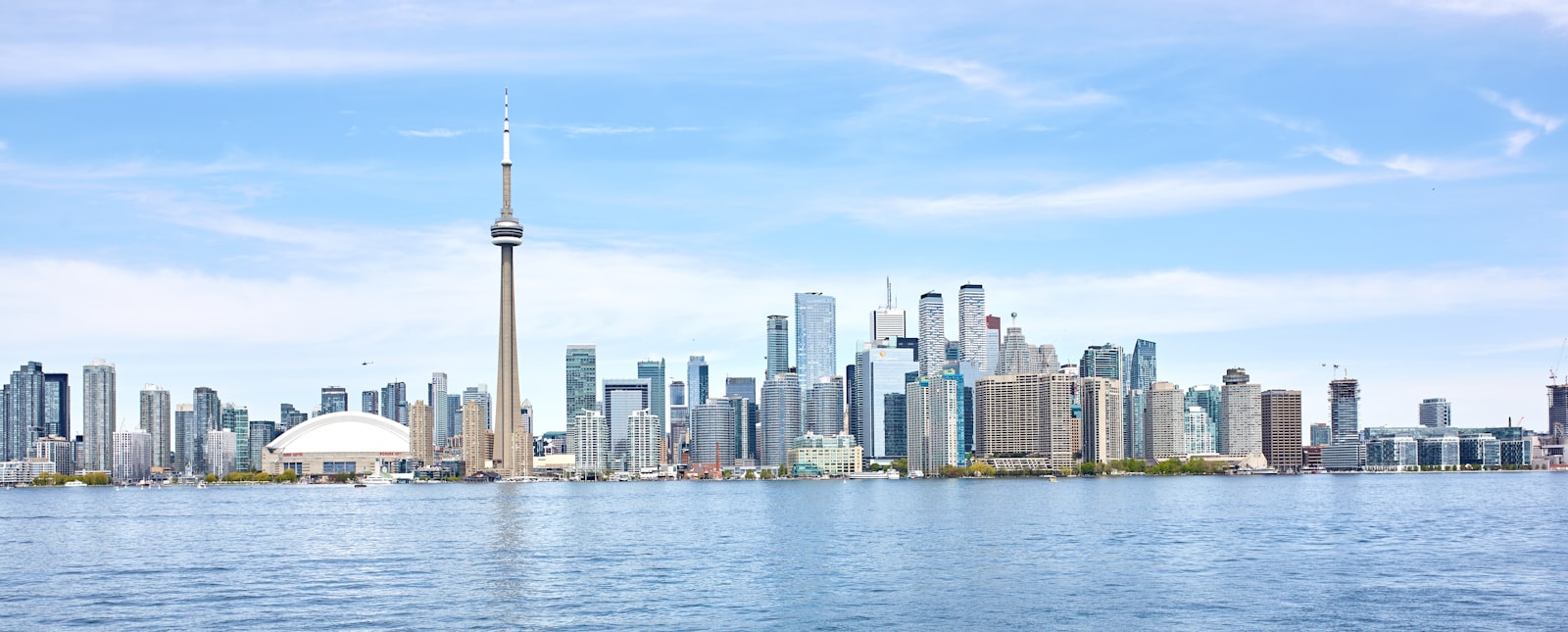
Moving to Canada: the complete guide
A high wage, high trust country with space, strong public services, and a clear, points based immigration system. Here is the honest brief on what it costs to ship your life to Canada, the residence steps that come first, and how the border treats your furniture.
Costs are indicative ranges for 2026.
Space, stable work, and an immigration system that actually has a front door.
People move to Canada for well paid work, public healthcare, safe cities, and a permanent residence pathway that is unusually transparent. It is a move about long term security and quality of life rather than weather, and it rewards people who plan the paperwork.
The pull is opportunity with a clear route to stay. Canada runs a points based system through Express Entry and the Provincial Nominee Programs, so for skilled workers there is a visible path from a job or a profile to permanent residence and eventually citizenship. Wages are solid in technology, healthcare, the trades, and energy, and the social safety net is real.
Daily life is spacious and orderly. Cities such as Toronto, Vancouver, Montreal, and Calgary are clean, safe, and multicultural, public schooling is strong, and outside the metros housing is far more affordable than the headlines from Vancouver suggest. French is an asset and a requirement in parts of Quebec, while the rest of the country runs in English.
The honest trade offs are housing cost in the big cities and the winter. Toronto and Vancouver rents rival global capitals, and a real Canadian winter is long and cold across much of the country. Provincial health coverage also carries a waiting period in several provinces, so you arrange private cover for the first weeks. None of it is a dealbreaker, but it belongs in your budget.
Who it suits, honestly
Canada suits skilled professionals, tradespeople, healthcare workers, and families who value stability, public services, and a genuine route to permanent residence over fast money or year round sun. It is harder for people set on a low cost of living in the largest cities, or for those who underestimate the winter and the importance of arranging the Social Insurance Number and health coverage early.
The realistic routes into Canada, in plain language.
Most newcomers arrive through an economic immigration stream or a job offer. Canada publishes its criteria openly, so you can usually see where you stand before you apply. These are the routes people on this site use most.
A federal system that ranks skilled workers for permanent residence through the Comprehensive Ranking System. A strong profile in age, education, language, and experience can lead to an invitation, and a provincial nomination or job offer lifts your score.
Each province nominates workers it needs through its own PNP streams, which can fast track permanent residence for people with the right occupation or a local job offer. Quebec runs its own separate selection system.
Employer specific permits usually need a Labour Market Impact Assessment, while open permits cover spouses and some programs. Many people work first, then transition to permanent residence from inside Canada.
Citizens and permanent residents can sponsor a spouse, partner, dependent children, and in some cases parents and grandparents, subject to income and undertaking conditions.
Bringing your household goods into Canada.
Canada is welcoming to genuine settlers. Used personal and household goods you owned and used before arriving can usually enter free of duty and tax, provided you list them correctly for the border.
The Canada Border Services Agency (CBSA) is the authority. As a settler establishing residence, you generally import used personal and household effects free of customs duty and tax if you owned, possessed, and used them before you arrived. The key document is the BSF186 Personal Effects Accounting Document, with a BSF186A list for goods to follow that arrive later by sea.
Prepare two valued inventories: the goods you bring with you and the goods to follow in your shipment. Have your passport, your immigration document or confirmation of permanent residence, and proof of ownership for higher value items. New goods, items you have not owned and used, and anything over the settler allowances may attract duty and the goods and services tax (GST or HST).
Some categories face controls. Firearms must be declared and meet Canadian classification rules, certain foods, plants, and animal products are restricted by the Canadian Food Inspection Agency, and alcohol and tobacco beyond personal limits are taxed. Pets need up to date rabies documentation. Importing a vehicle is possible but must clear the Registrar of Imported Vehicles and meet Canadian standards, so price that separately.
Verify before you move. Settler relief conditions, the BSF186 process, vehicle admissibility, and prohibited item lists change. Confirm the current rules with the Canada Border Services Agency (CBSA) and your mover's destination agent before your goods ship, and never rely on a forum post for the version that applies on your move date.What your money buys once you are there.
Canada is a high wage, mid to high cost country, with a sharp split between the expensive coastal metros and the more affordable prairies and Atlantic provinces. Typical monthly figures below are in US dollars and are indicative.
Indicative monthly figures for 2026 in US dollars. Toronto and Vancouver sit well above the national average, while Montreal, Calgary, and the Atlantic provinces are noticeably cheaper.
Healthcare
Healthcare is public and administered by each province or territory. You apply for a provincial health card soon after arrival, but several provinces impose a waiting period of up to three months before coverage begins, so arrange private health insurance to bridge that gap. Your provincial card, not a national one, is what you present at a clinic.
Banking and money
Opening an account is straightforward and most major banks offer newcomer packages. You generally need your passport, proof of a Canadian address, and often your Social Insurance Number. The SIN, a nine digit number issued by Service Canada, is required to work and to file tax, so getting it in your first days is a priority.
Your first month checklist
Apply for your Social Insurance Number at a Service Canada office as soon as you arrive, then open a bank account and apply for your provincial health card, noting any waiting period. Arrange interim private health cover, get a local mobile number, exchange your driving licence within the provincial deadline, and if you have children, contact the local school board to enrol them.
What shipping your home to Canada costs.
The single biggest factor is where you ship from. An overland move from the United States sits at the low end, while a sea container from Europe, Australia, or Asia sits higher. Ranges below cover that spread for 2026.
Indicative ranges for 2026 in US dollars. Volume, season, the origin country, and inland delivery distance from Halifax, Montreal, or Vancouver move the final number. A binding pre move survey is the only way to get a real figure.
How to choose a mover for Canada
We never name, rank, or recommend a moving company. Instead, here is the neutral checklist we would use ourselves. Apply it to any quote you receive, then request comparable quotes through the form below.
FIDI or IAM affiliation
Membership of the FIDI Global Alliance or the International Association of Movers signals audited financial stability and a complaints process you can lean on if something goes wrong.
Real corridor experience
Ask how many households the company has shipped on your exact route in the past year. A mover that runs the lane weekly knows the ports, the customs broker, and the paperwork by heart.
A binding pre move survey
Insist on a video or in home survey and a binding or not to exceed quote. A price built from a real volume estimate is the only quote you can compare like for like.
Clear insurance terms
Read how marine transit cover is calculated, what the deductible is, and whether valuation is by replacement value. Vague cover is the most common regret on an international move.
Verifiable reviews
Look for recent, specific reviews that name the destination, not just star ratings. Patterns in how a company handles claims tell you more than any single glowing note.
Written scope and timeline
Everything that matters belongs in writing: packing, customs clearance, delivery, unpacking, and debris removal, with who pays destination charges spelled out.
Get moving quotes for your move to Canada.
One short form, shared with vetted international movers who run your route into Canada. No call centre roulette and no obligation.
One useful email a month for people moving countries.
Real cost movements, customs rule changes, and corridor notes. No spam, and you can leave whenever you like.
Questions people ask about this move.
How much does it cost to move to Canada?
For a 2 to 3 bedroom home, a shared container typically runs from about 3,500 to 11,000 US dollars in 2026, depending on where you ship from and the season. Overland moves from the United States sit at the low end, while sea moves from Europe, Australia, or Asia sit higher. Always base your budget on a binding pre move survey.
Do I pay duty on my household goods when moving to Canada?
As a settler establishing residence, used personal and household goods you owned and used before arrival are generally admitted free of duty and tax, provided you list them on the CBSA form BSF186 with a goods to follow list. New items and goods over the settler allowances may attract duty and tax. Confirm current rules with the Canada Border Services Agency before shipping.
What is a SIN and when do I get it?
The Social Insurance Number is a nine digit number from Service Canada that you need to work and to file tax. Apply at a Service Canada office in your first days, with your passport and immigration document. Most banking and employment steps depend on having it.
How long does shipping to Canada take?
Door to door times range from about two to four weeks for an overland move from the United States to roughly six to nine weeks for a sea container from Europe, Australia, or Asia, including clearance at Halifax, Montreal, or Vancouver. Shared container services add time because they wait for a full sailing.
Is there a waiting period for healthcare in Canada?
In several provinces, provincial health coverage begins after a waiting period of up to three months from arrival. Arrange private health insurance to cover that gap, and apply for your provincial health card as soon as you can after you land.
Moving to Canada from your country.
Pick your origin for a corridor guide built specifically for that pair, with the costs, customs notes, and timeline for that exact route into Canada.