Moving to Colombia
A big, warm, increasingly popular South American country with low costs, strong cities, and a genuine welcome for newcomers. Here is the honest brief on shipping your home to Colombia, how customs handles your menaje, the visa routes, and how you become a registered resident.
A country that has turned a corner, with cities to match.
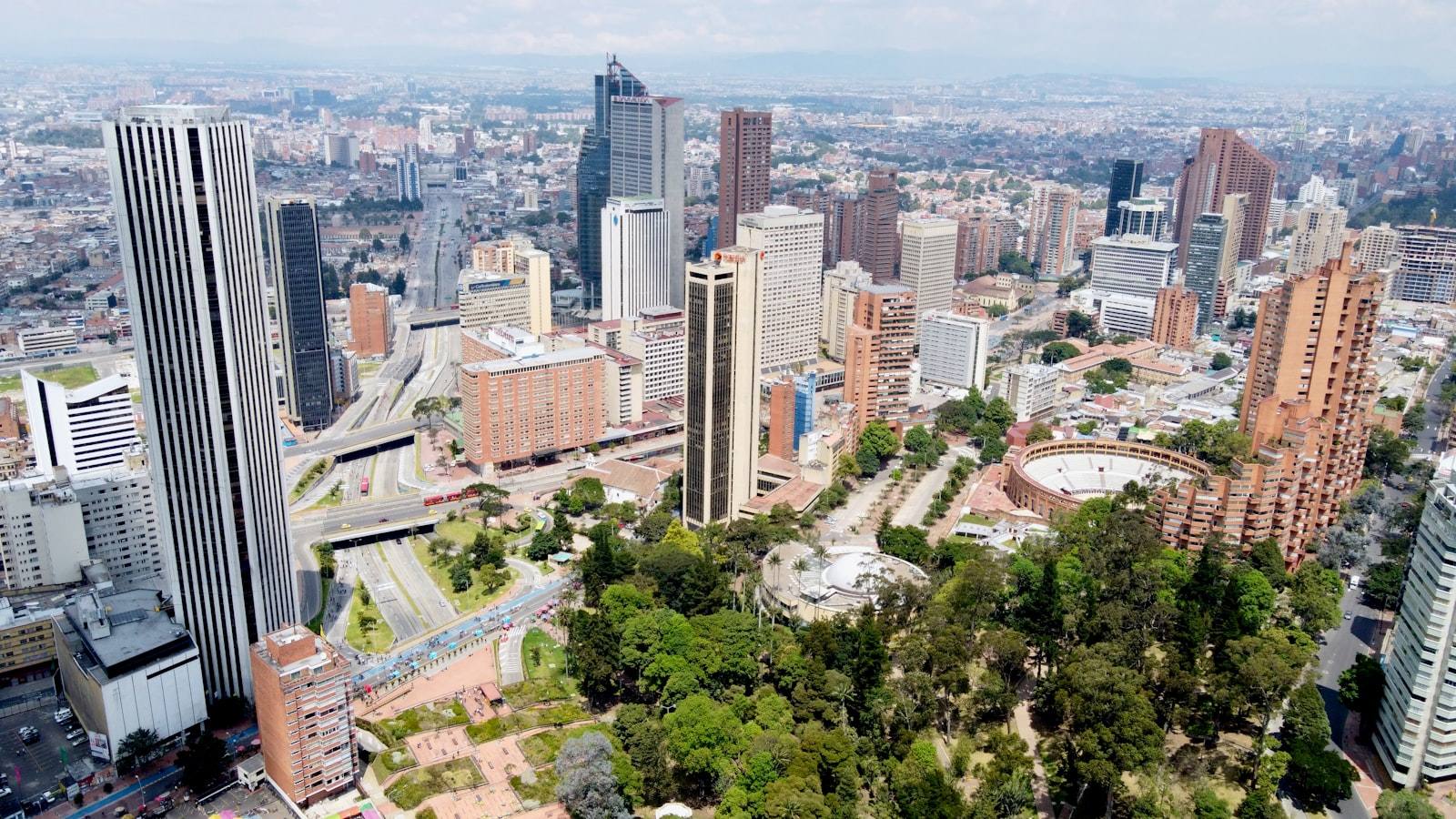
Colombia has shed its old reputation and become one of the most talked about destinations in the Americas. Medellin draws remote workers with its spring like climate and modern neighbourhoods, Bogota offers a big capital with culture and jobs, and the Caribbean coast around Cartagena and Santa Marta sells warmth and colour. The cost of living is low against North American and European salaries, and Colombians are famously welcoming.
It suits remote workers and digital nomads chasing climate and value, retirees stretching a pension, people with Colombian family, and the adventurous who want a vibrant culture, real cities, and nature from the Andes to two coastlines. It rewards those who learn some Spanish and accept that bureaucracy and infrastructure run on Latin American time.
What surprises people most is the variety. Colombia is not one place. The eternal spring of Medellin, the cool height of Bogota, and the tropical coast are different countries in feel, and choosing the right one for your life matters more than the move itself.
The realistic routes in.
Colombia organises residence into visa categories, most commonly the Migrant visa, known as the M visa, and the Resident visa, the R visa, with a Visitor visa for shorter or specific stays. Anyone on a visa valid longer than three months registers with Migracion Colombia.
The workhorse residence visa, issued for situations such as a Colombian spouse or partner, a pension income, a work contract, or owning a business. It is the usual route to building time toward a Resident visa and is the category most newcomers hold.
For those who have held qualifying Migrant visas for the required period, or who make a significant investment. It is the most secure status short of citizenship and carries fewer renewal demands.
Covers shorter or specific purposes, including the digital nomad route for remote workers earning from abroad, study, and certain temporary activities. Many people start here before moving to an M visa.
Citizens of many countries enter visa free as tourists for up to 90 days, extendable to 180 in a year. This is for visiting, not living, and does not allow the menaje import benefit or local work.
Bringing your household goods in.
Colombia gives a real benefit to people genuinely relocating, but it is tied to your visa. Holders of a Migrant or Resident visa can usually make a one time import of household goods, known as the menaje, free of import tax, provided the request is made within the window customs allows, typically around 120 days of taking up residence. The customs authority is the DIAN, the Direccion de Impuestos y Aduanas Nacionales.
There is a second route for returning residents. People who have lived outside Colombia for at least 24 months, continuous or not, in the three years before arriving can bring household goods on payment of a single consolidated tax rather than item by item duties. Either way, timing matters: the goods should generally arrive within roughly one month before to four months after you arrive, and a detailed valued inventory is required.
Sea freight arrives at Cartagena or Barranquilla on the Caribbean coast or Buenaventura on the Pacific, then moves inland by road to Medellin or Bogota, which adds time and cost. Restricted items follow Colombian rules, and bringing a vehicle is complex and often not worthwhile. Plan the shipment around your visa and arrival dates rather than the other way round.
How to pick a mover for this route, without the guesswork.
We do not rank or recommend individual companies. We teach you the criteria that separate a safe international move from an expensive mistake, then put your request in front of vetted movers who run this lane.
Check the trade affiliation. Membership of FIDI or IAM is the clearest signal a mover is financially screened and bound to industry standards for international household goods. For Colombia, check the mover understands the menaje rules and the visa timing, clears through Cartagena, Barranquilla, or Buenaventura, and can manage the inland leg to Medellin or Bogota, which is where many shipments lose time.
Insist on a binding pre move survey. A real video or in home survey of your volume is the only honest basis for a price. A quote given without one is a guess that tends to grow on moving day.
Compare like for like. Read what each quote includes: packing, materials, customs clearance, destination delivery, stair or long carry charges, and insurance. The cheapest headline number is rarely the cheapest move.
Understand the insurance terms. Ask whether cover is full replacement value or depreciated, what the excess is, and how claims are handled. Read the valuation clause before you sign.
Read recent reviews for this corridor. A mover can be excellent locally and weak on international shipments. Look for verified reviews that mention the actual route and customs experience.
What life costs once you land.
Colombia is inexpensive against foreign salaries, though prices in Medellin and Bogota have risen with newcomer demand. The coast and smaller cities are cheaper again.
Indicative 2026 figures in US dollars, converted from Colombian peso. Your city and lifestyle will move these numbers.
Where people land
Medellin, in the Aburra valley, is the favourite of remote workers for its climate, modern metro, and neighbourhoods like El Poblado and Laureles. Bogota is the big, cool, high altitude capital with the most jobs and culture. Cali is the salsa capital, warmer and cheaper. The Caribbean cities of Cartagena, Barranquilla, and Santa Marta sell coast and colour. Each is a different life, so visit before you commit.
Healthcare and banking
Colombia has a well regarded healthcare system that combines public and private provision through the EPS insurers, and private care in the major cities is good and affordable. Once you have residence you can enrol, and many newcomers also hold private or international insurance. Confirm what your cover includes before you rely on the public system.
Banking can be the slow part. Opening a Colombian account usually requires your cedula de extranjeria, the foreigner identity card, and patience, and some people use international or fintech accounts in the meantime. The cedula and your registration with the tax system through the RUT are the identifiers that unlock most formal life, so prioritise the cedula once your visa is issued.
Your first month checklist
- 1Enter on the correct visa for your situation, since the menaje import benefit depends on holding a Migrant or Resident visa.
- 2Register with Migracion Colombia and apply for your cedula de extranjeria within 15 days of entering on a long stay visa.
- 3Time your household shipment to arrive within the customs window around your arrival, and keep a valued inventory.
- 4Get a RUT, your tax registration, if you will work or run a business.
- 5Open a Colombian bank account once you hold the cedula, and arrange health cover.
- 6Sort a local SIM, learn your city neighbourhoods, and start improving your Spanish.
Get moving quotes for Colombia.
Tell us your origin, size, and timing. We pass your request to vetted international movers who run the route to Colombia and understand the menaje rules, and you compare them on your own terms.
Questions people ask about this move.
How much does it cost to move to Colombia?
From North America, a two to three bedroom move by sea to Cartagena or Buenaventura, then inland to Medellin or Bogota, can run from roughly 3,000 to 8,000 US dollars. From Europe or further, plan on around 6,000 to 11,000 US dollars or more. These are indicative 2026 ranges, not a quote.
Which visa do I need to move to Colombia?
Most people moving to live hold a Migrant visa, the M visa, on the basis of a spouse, pension, work, or business, and later move to a Resident visa. Remote workers often use a Visitor visa route. The visa free tourist entry is for visiting, not living. Confirm your category with a Colombian consulate before you move.
Can I import my household goods to Colombia tax free?
Holders of a Migrant or Resident visa can usually make a one time import of household goods, the menaje, free of import tax if they request it within the customs window, often around 120 days. Returning residents who lived abroad for at least 24 months can instead pay a single consolidated tax. Confirm the current rules with the DIAN.
What is the cedula de extranjeria?
It is the foreigner identity card issued by Migracion Colombia to anyone holding a visa valid for more than three months. You must register and apply within 15 days of entering. It is the key identifier for banking, contracts, and daily formal life.
How long does shipping to Colombia take?
By sea, expect roughly two to four weeks from North America and four to six weeks or more from Europe and beyond to the coastal ports, plus the inland road leg to Medellin or Bogota and customs clearance, which can add a week or two.
Is Medellin or Bogota better for newcomers?
It depends on what you want. Medellin offers a spring like climate, a modern metro, and a large remote worker community. Bogota is bigger, cooler, higher, and has more jobs and culture. Many people try both before deciding, since the climates and rhythms are very different.
Moving to Colombia from where you are.
Start from your country hub for the costs, customs, and timeline specific to that route, or browse them all on the corridors index.
From North America
From Britain and Ireland
From the Gulf
From Oceania
We refresh destination guides as rules and prices change.
All routes for this guide.
Last reviewed: 25 May 2026. We refresh this guide as costs, customs, and visa rules change.