Moving to Romania: the complete guide
Romania offers something rare in the European Union: real value. Living costs are among the lowest in the bloc, the technology scene is strong, and the landscapes run from Carpathian mountains to the Black Sea. Get the residence permit, the CNP, and the customs paperwork right and the move is easy. Here is the honest brief.
Who Romania actually suits.
Romania suits people who want European Union residence and a low cost of living in the same package: remote workers and freelancers stretching their income, technology professionals drawn to a genuinely strong sector in Bucharest, Cluj Napoca, Timisoara, and Iasi, and retirees who want warmth, space, and value without leaving the bloc. It rewards those who are comfortable navigating a bureaucracy that is improving but still paper heavy, and who enjoy a country that is far less discovered than its western neighbours.
The headline draw is price. Rent, groceries, dining, and services sit well below western European levels, so a modest income or pension goes a long way, especially outside the capital. The technology and outsourcing sectors pay well by local standards and increasingly hire internationally, and fast internet is widespread, which is one reason remote workers settle here.
It is not without friction. Administrative steps can be slow and Romanian helps enormously even though English is common among younger people and in the technology world. Infrastructure varies, with excellent city life alongside rural areas that feel a generation behind.
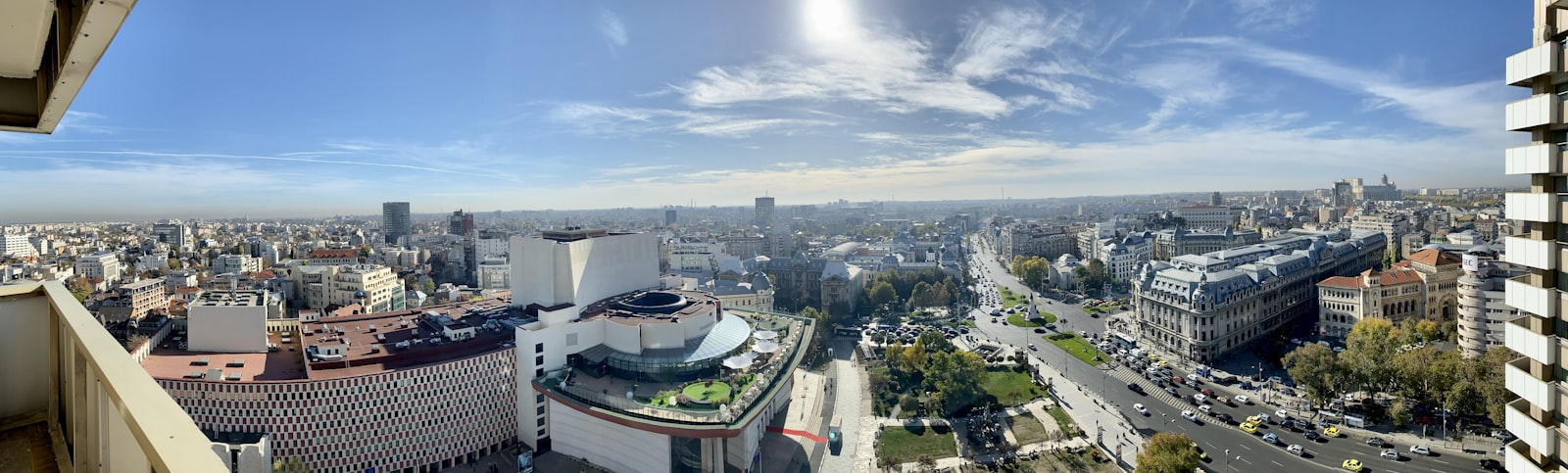
Where you settle shapes the experience. Bucharest is the big, busy capital with the most jobs and the most international feel, Cluj Napoca is the lively student and technology hub in Transylvania, Timisoara is elegant and western leaning near the Hungarian border, and Iasi anchors the east. Brasov and Sibiu offer postcard old towns near the mountains, while Constanta brings the Black Sea coast. Many newcomers start in Bucharest or Cluj for work, then weigh whether a smaller, cheaper, slower city suits them better.
The realistic routes to live in Romania.
Citizens of the European Union and the European Economic Area can live and work in Romania freely and simply register. Everyone else needs a long stay visa and then a residence permit. These are the routes most movers use.
Citizens of the European Union and the European Economic Area do not need a visa. You register your residence with the immigration authority and obtain a registration certificate and a CNP.
- Basis
- EU or EEA citizenship
- Process
- Register, no visa
- Gives
- Certificate and CNP
- Work
- Unrestricted
Non European Union nationals apply for a long stay D type visa for work, business, study, or family, then convert it to a residence permit at the General Inspectorate for Immigration after arrival.
- Basis
- D type visa
- Then
- Residence permit
- Via
- Immigration inspectorate
- Start
- Before you move
For remote workers and freelancers earning from companies outside Romania, with an income threshold set well above the local average, allowing residence while you work for foreign clients.
- Basis
- Remote income
- Test
- Income threshold
- For
- Remote workers
- Type
- Long stay
Spouses, partners, and children of residents can join under family rules, subject to income and accommodation conditions for the sponsor.
- Basis
- Family tie
- Test
- Income and housing
- Then
- Residence permit
- Path
- Leads to long term
Bringing your household goods into Romania.
Romania is in the European Union, so the customs treatment depends on where you move from. If you are moving from another European Union country there is free movement of goods, so your household effects travel without customs duty and without an import declaration.
If you are moving from outside the European Union, you can usually import used household goods free of customs duty and import value added tax under transfer of residence relief. The common conditions across the European Union are that you have lived outside the bloc for at least twelve months, that you owned and used the goods for at least six months, and that you import them within twelve months of moving your normal residence to Romania. You declare the goods to the Romanian customs authority, normally through your shipping agent, with a detailed valued inventory and proof that you are transferring residence.
Restricted and prohibited items follow European Union norms, including weapons, certain foods of animal origin, protected species items, and some plants. Pets travel under European Union pet rules, which means a microchip, a valid rabies vaccination, and an EU pet passport or animal health certificate. A vehicle can be brought in, and from within the European Union this is straightforward, while a vehicle from outside the bloc is assessed under the transfer of residence rules and then registered locally, so confirm the position before shipping a car.
What life costs, and how to switch it on.
Romania is one of the most affordable countries in the European Union. Rent, groceries, transport, and eating out cost well below western European levels, and the gap is widest outside Bucharest. Salaries in the strong technology and outsourcing sectors are good by local standards, so people working in those fields, and remote workers paid from abroad, find their money stretches a long way. Romania keeps its own currency, the leu, rather than the euro, so budget and bank accordingly.
Healthcare runs through the public system funded by contributions, with private clinics widely used in the cities for speed and comfort at low cost by western standards. You register for healthcare once you are in the system through your CNP. Banking is straightforward once you have your CNP and residence documents, with mainstream Romanian banks and card and contactless payment accepted almost everywhere, and the technology friendly culture means good app based banking.
Families find international schools in Bucharest and the larger cities, alongside free public schooling, so the choice turns on how long you plan to stay and which language you want your children educated in. Connectivity is a genuine strength, since Romania has some of the fastest and cheapest internet in Europe, which is part of why it attracts remote workers. Learn some Romanian, because it smooths daily life and bureaucracy even though English is common among the young and in technology circles.
Your first month checklist
How to choose a mover for this route, with no names attached.
This site never names, ranks, or recommends a moving company. Instead, here is the neutral checklist that separates a safe international mover from a risky one. Apply it to every quote you receive.
Get Moving Quotes for Any to Romania.
One short form reaches vetted international movers who run this exact route. No obligation, and no moving company is shown or ranked on this page. You receive quotes to compare on your own terms.
Plan the move with a clear head.
Subscribe to The Relocation Brief for practical, country specific relocation guidance, sent when it is genuinely useful. No spam, and you can leave any time.
Questions people ask about this move.
How much does it cost to move to Romania?
As an indicative range for 2026, a 2 to 3 bedroom move into Romania by shared container or road load runs roughly 2,500 to 6,000 US dollars from within Europe, before packing, insurance, and destination delivery. Moves from further afield by sea to Constanta or by road into the interior cost more. Your volume, origin, and final city set the real number, so get a survey.
Do I pay import duty on my belongings in Romania?
If you move from within the European Union there is free movement of goods, so no customs duty. If you move from outside the European Union, used household goods are commonly admitted free of duty and import value added tax under transfer of residence relief, provided you owned and used them and meet the residence conditions. Verify the current rules with the Romanian customs authority before you ship.
What is a CNP and why do I need one?
The CNP, the cod numeric personal, is your personal numeric code in Romania. It is issued with your residence document and doubles as your tax identification, and you need it to open a bank account, access healthcare, sign a lease, and deal with the authorities. Getting it is one of the first and most important steps after arrival.
Do citizens of the EU need a visa to move to Romania?
No. European Union and European Economic Area citizens can live and work in Romania freely and simply register their residence to receive a certificate and a CNP. Non European Union nationals need a long stay visa and then a residence permit. This is not immigration advice, so confirm the current steps with the official Romanian source before you move.
Is Romania cheap to live in?
Yes, Romania is among the most affordable countries in the European Union, with rent, groceries, transport, and dining well below western European levels, especially outside Bucharest. It also has some of the fastest and cheapest internet in Europe. Salaries are lower than in the west, but for remote workers and pensioners paid from abroad the value is substantial.
How long does shipping to Romania take?
From elsewhere in Europe, road moves take roughly one to two weeks door to door depending on distance. From outside Europe, a shared container by sea to the Black Sea port of Constanta, plus inland delivery and customs clearance, is usually several weeks. Book ahead for a summer move, which is the busy season.
Moving to Romania from your country.
Corridor guides with the costs, customs detail, and visa routes specific to each origin. Grouped by region.