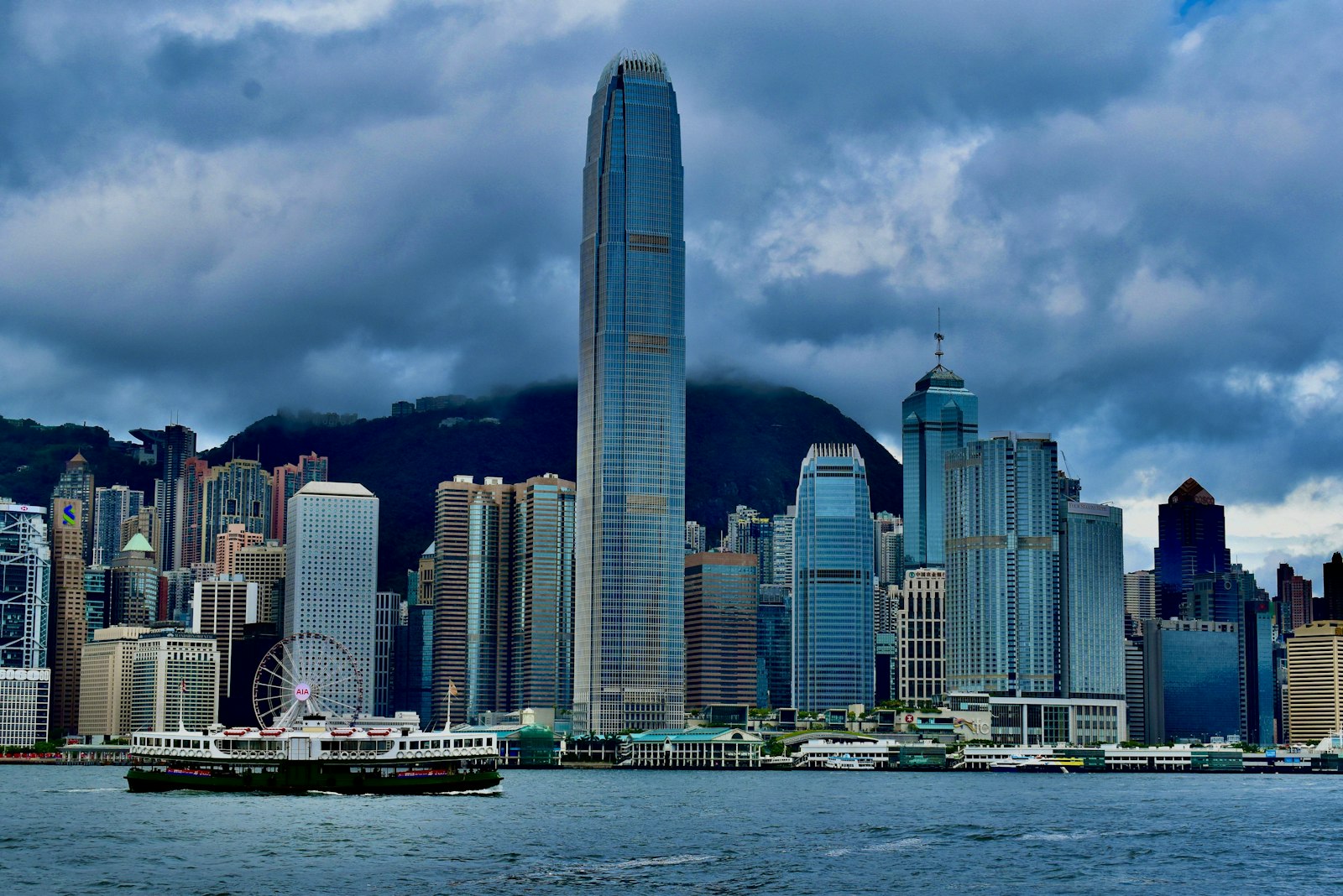
Moving from Australia to Hong Kong
A regional sea move from Australia to one of the world's great harbour cities. Here is what an Australia to Hong Kong relocation really costs in 2026, how long the container takes to reach the Kwai Tsing terminals, why Hong Kong customs is refreshingly simple, and the visa routes Australians actually use.
Moving from Australia to Hong Kong is one of the more straightforward long distance moves out of Australia. Your belongings are packed at home, trucked to a port such as Sydney, Melbourne, Brisbane or Fremantle, loaded into a container and shipped north to Hong Kong, clearing at the Kwai Tsing container terminals on the western side of the harbour. The sailing is comparatively short by international standards, so the schedule runs in weeks rather than months. Air freight suits a small priority shipment, but for a full household a container by sea is the sensible choice.
The detail that surprises people on this route is how little customs gets in the way. Hong Kong is a free port, so there is no general import duty and no value added tax on used household goods. The real constraint is the destination itself. Hong Kong flats are small and tall, lifts are tight or shared, and many buildings restrict move in hours, so the access at your new address, not the customs desk, is what shapes the final bill. Confirm building rules and lift dimensions before the container sails.
What it costs to move from Australia to Hong Kong.
These are indicative ranges for 2026 in Australian dollars, for a door to door sea move from Australia to Hong Kong. Your real quote depends on volume, your building access in Hong Kong, the season, and the port you ship from.
Indicative ranges for 2026 in Australian dollars. A shared container means your goods travel in part of a container with other shipments, which is cheaper but slower because it waits for consolidation and a full clearance queue.
Volume drives the price, because sea freight is sold by the space your goods fill. A shared container is the budget choice for a small flat but it is slower, since it waits to consolidate and then sits in a shared clearance queue. A sole use twenty foot or forty foot container is faster and cleaner to clear. On the Australia to Hong Kong route the ocean leg is short, so the destination side carries real weight. Delivery in Hong Kong can be the most expensive part of the whole move, because high rise access, narrow service lifts, restricted move in windows and the occasional need for a hoist all add labour. Always confirm whether the quote is door to door or only port to port, and tell the surveyor about your building access early so the price holds.
A realistic schedule, working back from the sailing.
Work back from the sailing date. Booking, the survey, your visa and your building access at the Hong Kong end all need to be settled before the container leaves Australia.
Book the mover and the survey
Get binding quotes from movers with real Australia to Hong Kong experience. Insist on a video or in home survey so the volume is measured, not guessed. Decide between a shared container and a sole use container.
Settle your visa and the address
Confirm your Hong Kong visa class and, where you can, your new address, because building access shapes the delivery cost. Prepare your passport, visa approval and a detailed valued inventory.
Pack and load in Australia
The crew packs your home over one to two days, builds the inventory and loads the container, which is then trucked to the port for export. Keep documents you will need on arrival out of the shipment.
The voyage to Hong Kong
The container sails north to Hong Kong, sometimes via a transshipment hub. This is the fixed part of the schedule, so track the vessel and stay in contact with your destination agent.
Clearance at Kwai Tsing
Your agent clears the shipment at the Hong Kong container terminals. Because Hong Kong is a free port, clearance of used household goods is usually quick, with no duty or value added tax on personal effects.
Delivery and first registrations
The goods are delivered and unpacked, with the lift booking and any hoist arranged in advance. Apply for your Hong Kong Identity Card at the Immigration Department, which most longer stay residents must obtain within thirty days of arrival.
Clearing your goods into Hong Kong.
Customs in Hong Kong is handled by the Customs and Excise Department, and for most movers it is the easy part. Hong Kong is a free port, so there is no general import duty and no value added tax on used household goods and personal effects. Duty applies only to a short list of dutiable commodities, namely liquor, tobacco, hydrocarbon oil such as fuel, and methyl alcohol, so a normal household shipment passes through without a tax bill.
You will typically need your passport, your Hong Kong visa or entry approval, a detailed and valued inventory and the bill of lading. Even though duty is not charged, the inventory still matters, because alcohol and tobacco in your shipment must be declared and may be assessed, and certain goods such as medicines, plants, animal products and firearms carry their own licensing and import controls. A vehicle is treated separately under its own first registration tax, which is significant, so most people do not ship a car. Because rules are applied case by case at the terminal, a local agent working with your mover keeps clearance smooth.
How Australians actually move to Hong Kong.
Hong Kong is a separate immigration jurisdiction, so Australians need a visa to live and work there beyond a short visit. The right route depends on whether you are taking a job, qualifying as talent, or joining family. These are the routes that matter in practice. Rules change, so confirm the current detail.
The standard route under the General Employment Policy for an Australian with a job offer from a Hong Kong employer who can show the role needs skills not readily available locally. The employer sponsors the application and the visa is tied to the job.
- For
- Sponsored employees
- Under
- General Employment Policy
The Top Talent Pass Scheme lets high earning professionals and graduates of leading universities come to Hong Kong to look for work or set up, without a job offer first. It is a popular fast route for experienced Australians.
- For
- High earners and graduates
- Job offer
- Not required first
The Quality Migrant Admission Scheme is a points based route for skilled people who want to settle in Hong Kong on their own merits. Applicants are scored on age, qualifications, experience and language.
- Basis
- Points assessment
- Job offer
- Not required
The spouse and dependent children of a visa holder or a Hong Kong resident can apply for a dependant visa, which generally allows them to live, and often to work and study, in Hong Kong.
- For
- Spouse and children
- Pairs with
- A sponsor
How to choose a mover for this route, with no names attached.
This site never names, ranks, or recommends a moving company. Instead, here is the neutral checklist that separates a safe international mover from a risky one. Apply it to every quote you receive.
Get Moving Quotes for Australia to Hong Kong.
One short form reaches vetted international movers who run this exact route. No obligation, and no moving company is shown or ranked on this page. You receive quotes to compare on your own terms.
Plan the move with a clear head.
Subscribe to The Relocation Brief for practical, country specific relocation guidance, sent when it is genuinely useful. No spam, and you can leave any time.
Questions people ask about this move.
How much does it cost to move from Australia to Hong Kong?
As an indicative range for 2026, a one bedroom move runs about 1,800 to 4,600 Australian dollars depending on whether you take a shared or a sole use container, while a larger three bedroom home is roughly 4,600 to 8,800 Australian dollars. Building access in Hong Kong is often the biggest single variable.
How long does shipping take from Australia to Hong Kong?
Plan on roughly three to five weeks door to door. The ocean leg north to the Kwai Tsing terminals is short by international standards, and a shared container adds time because it waits to consolidate and then sits in a shared clearance queue.
Do I pay duty on my furniture when moving to Hong Kong?
No. Hong Kong is a free port, so used household goods and personal effects carry no general import duty and no value added tax. Duty applies only to liquor, tobacco, fuel and methyl alcohol, so a normal household shipment clears without a tax bill.
Do I need a visa to move from Australia to Hong Kong?
Yes. Australians need a visa to live and work in Hong Kong, commonly an employment visa under the General Employment Policy, the Top Talent Pass Scheme, the Quality Migrant Admission Scheme, or a dependant visa to join family.
Why is delivery in Hong Kong so expensive?
Hong Kong flats are small and high up, service lifts are tight or shared, and many buildings restrict move in hours, so the labour to get your goods upstairs can cost more than the sea freight. Confirm lift sizes and building rules before the container sails.