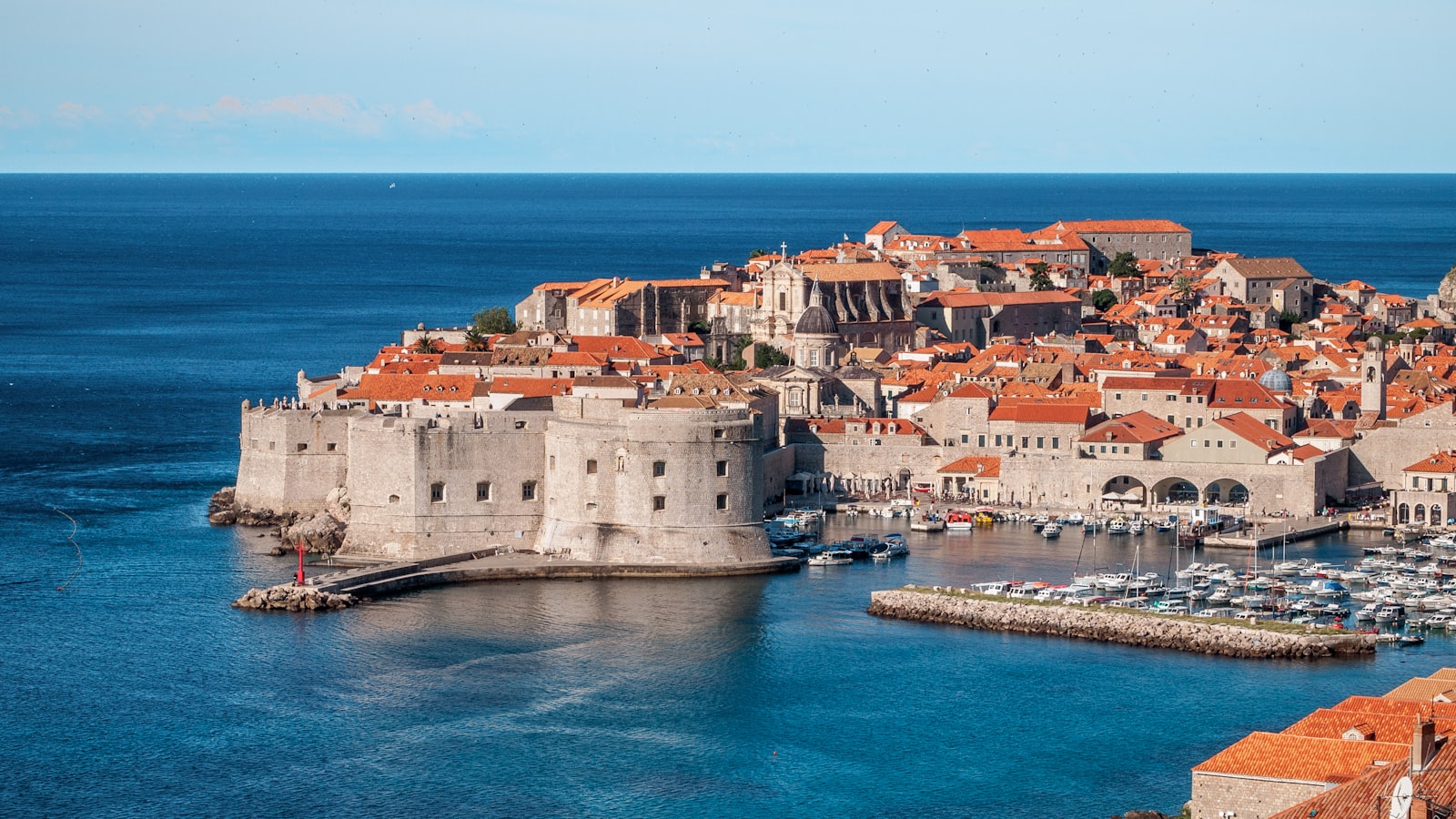
Moving from Belgium to Croatia
A move within the European Union, by road across the continent rather than by sea. Here is the honest brief on a road move from Belgium to Croatia, why there is no customs to clear, and the OIB number that anchors your life as a resident.
Costs are indicative ranges for 2026.
The honest summary of this move.
Moving a household from Belgium to Croatia is a road move inside the European Union, not a sea shipment. For a 2 to 3 bedroom home a part load runs roughly 2,600 to 4,600 euro in 2026, with the truck arriving in about one to two weeks. Because both countries are in the EU single market, and both now use the euro, there is no customs duty and no import tax on your belongings.
The goods travel by road, leaving Belgium and crossing Germany and Austria before reaching Croatia, a drive of around 1,300 kilometres to Zagreb and longer to the Dalmatian coast. Most movers price this as a part load, where your shipment shares a truck with others heading the same way, which is the value option for a normal home. A dedicated van suits a small flat on a fixed date, and a dedicated truck suits a full house.
Croatia joined the euro and the Schengen area at the start of 2023, which makes this lane simpler than it was. There is no customs declaration for household goods moving between Belgium and Croatia, no duty, and no value added tax on your own used possessions. The work is logistical: a clean inventory, a realistic date, and a mover who knows the Alpine road route and the Croatian delivery towns.
What does take effort is becoming a resident. Leaving Belgium means deregistering at your commune or gemeente. Arriving in Croatia means registering your residence with the police, the Ministry of the Interior, where EU citizens register temporary residence and are assigned an OIB, the personal identification number that is asked for at every turn, from a lease to a bank account.
What this move really costs in 2026.
On this lane the drivers are volume, the road distance across the Alps, and whether you share the truck or take it for yourself. The table shows indicative ranges in euro for the common home sizes and road options.
Indicative ranges for 2026 in euro. A part load is cheapest because you share the truck and accept a delivery window, a dedicated vehicle is faster and private, and access on narrow coastal or old town streets, or a long carry, can add a charge.
- + Best value for a normal home on this route
- + You pay only for the space you use
- ~ Delivery comes within a window, not a fixed day
- + Sole use of the vehicle, direct from door to door
- + Right size for a full 2 to 3 bed home
- ! You pay for the whole truck
- + Fast and direct for a flat or part move
- + Good for a fixed delivery date
- ~ Limited capacity, not for a full house
A realistic timeline for this move.
A road move inside the EU is quick to execute once booked. The slower part is the residence registration in Croatia, so plan to start it soon after arrival.
Get movers to survey
Have movers run video or in home surveys for an accurate volume and a binding or not to exceed quote. Ask whether your shipment will be a part load or a dedicated vehicle, and check access at the delivery address.
Book the road slot
Confirm your collection date in Belgium and your delivery window in Croatia. Part loads run on a schedule, so flexible dates lower the price.
Close out in Belgium
Deregister at your commune or gemeente, settle your tax position, and cancel utilities and contracts tied to your Belgian address.
Pack and load
The crew packs and loads the truck in Belgium. With no customs to clear, the vehicle sets off across Germany and Austria toward Croatia.
On the road
The truck drives to Croatia, typically two to four days of driving for a direct load, longer for a part load that makes other drops along the way.
Deliver and register
Your goods are delivered and unpacked. You then register your residence with the police, and an OIB is assigned so you can sign a lease, open a bank account, and arrange utilities.
Bringing your household goods into Croatia.
Because Belgium and Croatia are both in the European Union single market, there is no customs barrier for your household goods. The real arrival task is registering as a resident.
Personal belongings that you already own move freely between Belgium and Croatia with no customs declaration, no import duty, and no value added tax. Keep a clear inventory for the mover and for insurance, but you will not file a customs entry the way you would on a move from outside the EU. Croatia's place in both the euro and Schengen since 2023 removes the old border friction on this lane.
Settling in Croatia runs through the Ministry of the Interior. EU citizens staying beyond three months register temporary residence at the competent police station, presenting a passport or identity card and proof of address and means. During that process you are assigned an OIB, the personal identification number, which works much like a tax and identity number rolled into one and is required for almost everything in daily life.
Bringing a car is straightforward within the EU, though you re register the vehicle in Croatia within the set period and arrange local insurance. Pets travel under EU pet rules with a microchip, a rabies vaccination, and an EU pet passport. Confirm the current police registration steps and the OIB process for your area before you move, because procedures and waiting times vary between offices.
Verify before you move. EU rules on moving personal goods are stable, but Croatian residence registration steps, the OIB process, and vehicle re registration timelines can change and vary by office. Confirm the current position with the Ministry of the Interior and the Tax Administration before you move.The realistic routes for this corridor.
As an EU country, Croatia asks EU citizens only to register rather than apply for a visa. These are the routes that apply most often to people relocating from Belgium.
Belgian nationals are EU citizens, so they may live and work in Croatia freely. For stays beyond three months you register temporary residence with the police and are assigned an OIB.
If you move for a job, your EU status lets you start work without a permit. You register your residence, obtain your OIB, and join the local social security system through your employer.
Family members who are EU citizens register in the same way. Non EU family members of an EU citizen apply instead for a residence permit on the family route.
People relocating from Belgium who are not EU nationals can look at Croatia's digital nomad residence permit for remote workers, which has its own income and employer conditions.
How to choose a mover for Belgium to Croatia.
We never name, rank, or recommend a moving company. Instead, here is the neutral checklist that matters on this exact lane. Apply it to any quote, then request comparable quotes through the form below.
FIDI or IAM affiliation
Membership of the FIDI Global Alliance or the International Association of Movers signals audited financial stability and a complaints process you can lean on if something goes wrong.
Real corridor experience
Ask how many households the company has shipped on your exact route in the past year. A mover that runs the lane regularly knows the ports, the customs broker, and the paperwork by heart.
A binding pre move survey
Insist on a video or in home survey and a binding or not to exceed quote. A price built from a real volume estimate is the only quote you can compare like for like.
Clear insurance terms
Read how transit cover is calculated, what the deductible is, and whether valuation is by replacement value. Vague cover is the most common regret on an international move.
Verifiable reviews
Look for recent, specific reviews that name the destination, not just star ratings. Patterns in how a company handles claims tell you more than any single glowing note.
Written scope and timeline
Everything that matters belongs in writing: packing, customs clearance, delivery, unpacking, and debris removal, with who pays destination charges spelled out.
Get moving quotes for Belgium to Croatia.
One short form, shared with vetted international movers who run this exact road lane from Belgium into Croatia, the Alpine crossing and coastal delivery and all. No call centre roulette and no obligation.
One useful email a month for people moving countries.
Real cost movements, customs rule changes, and corridor notes. No spam, and you can leave whenever you like.
Questions people ask about this move.
How much does it cost to move from Belgium to Croatia?
For a 2 to 3 bedroom home, a part load typically costs from about 2,600 to 4,600 euro in 2026. The figure depends on volume, the road distance across the Alps, and whether you share the truck. Base your budget on a binding pre move survey.
How long does it take to move from Belgium to Croatia?
Plan on roughly one to two weeks. A dedicated truck can drive the route in four to seven days, while a part load arrives within a delivery window because it shares the vehicle with other shipments.
Do I pay customs or duty moving from Belgium to Croatia?
No. Both countries are in the European Union single market and both use the euro, so your used household goods move with no customs declaration, no duty, and no value added tax.
What is an OIB?
It is the Croatian personal identification number, an eleven digit number assigned when you register residence with the police. It works as a combined tax and identity number and is required for a lease, a bank account, and utilities.
Do I need a visa to move from Belgium to Croatia?
No. As an EU citizen you do not need a visa. For stays beyond three months you register temporary residence with the police, and an OIB is assigned during that process.
Should I ship my car or buy in Croatia?
You can drive or ship your car freely within the EU, then re register it in Croatia within the set period. Whether that beats buying locally depends on the car and your plans.