Moving from Netherlands to Croatia
A move from the cool, flat north to the warm Adriatic, made easy by the European Union. Croatia joined the euro and the Schengen area at the start of 2023, so there is no customs stop and no currency change to manage. The journey is a long drive across central Europe. Here is the honest brief for this corridor.
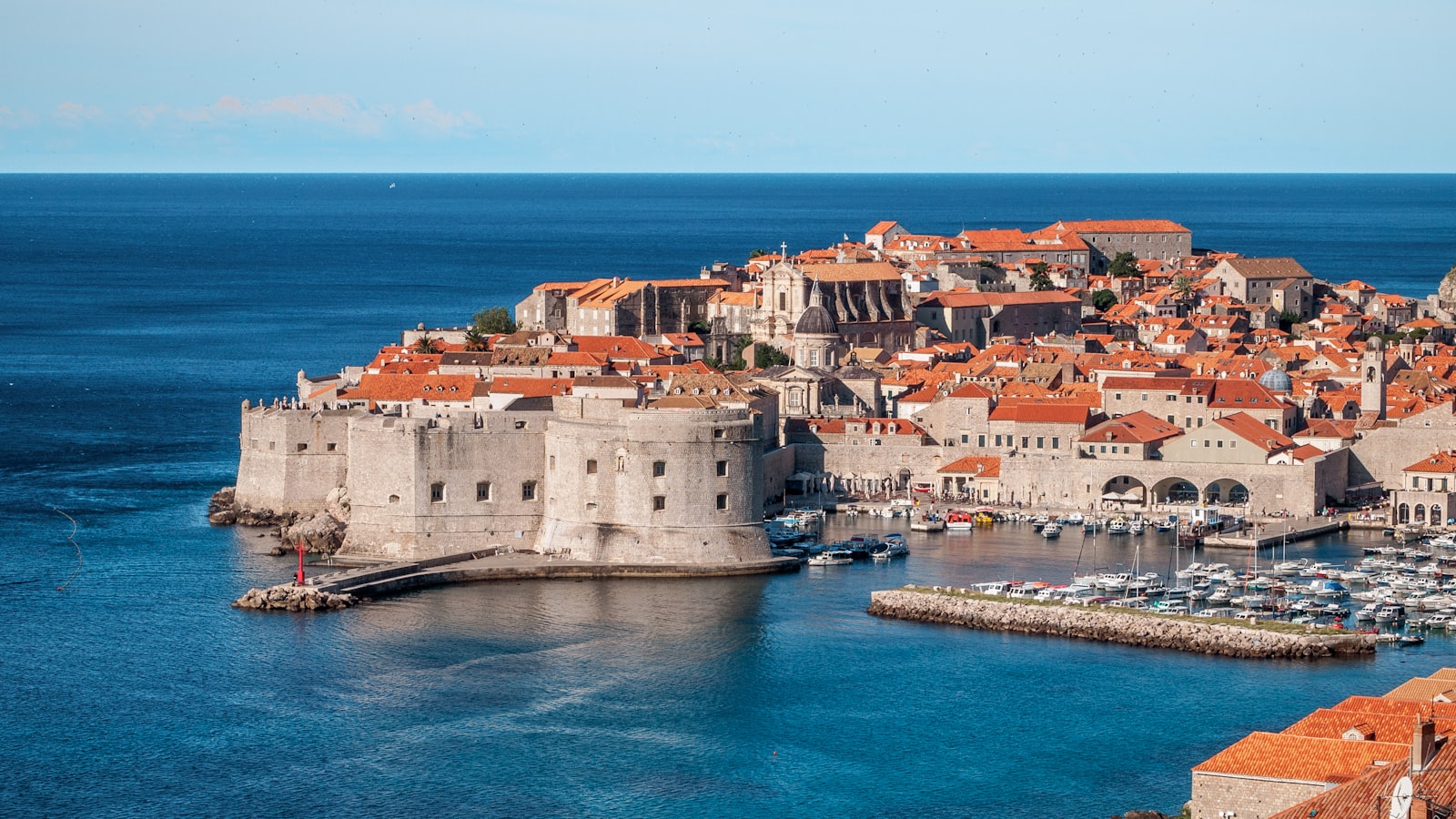
This is a straightforward long European road move. Your goods are loaded in the Netherlands and driven south through Germany, Austria, and Slovenia to your address in Croatia, whether on the inland route toward Zagreb or down to the Dalmatian coast around Split and Dubrovnik. Door to door a dedicated truck usually runs one to two weeks, while a shared load that serves other moves along the way can take longer. Heavy or island bound shipments sometimes use the port of Rijeka, but most moves go by road the whole way.
What makes this corridor easy is recent history. Croatia joined the European Union in 2013 and then adopted the euro and entered the Schengen area at the start of 2023. That means your used household goods move freely with no customs barrier and no import duty, there is no currency change between the Netherlands and Croatia, and there are no internal border stops to slow the truck. The real work is registration once you arrive, above all getting your OIB, the personal identification number that underpins Croatian life.
What it costs to move from Netherlands to Croatia.
What it really costs to move a household from the Netherlands to Croatia in 2026, shown as indicative ranges by home size and shipping method. This is a long road haul, so distance and whether you share the truck drive the number.
Indicative ranges for 2026 in euros, before full packing, premium insurance, and any storage. A shared load splits a truck and the cost with other moves, while a dedicated van or truck carries only your goods on your own schedule. These are not binding figures, so get a survey.
Four levers move the number. Volume dominates, because a shared load is priced by the space you fill, so a real declutter before the survey pays off most. Shared versus dedicated trades cost against timing, with a shared load cheaper but tied to other schedules and a dedicated truck pricier but direct. Distance and destination matter, since inland Zagreb is a shorter haul than the far Dalmatian coast or an island that needs a ferry. And access at both ends matters, from a narrow Dutch canal house with steep stairs to a Croatian old town with tight lanes that a large truck cannot enter.
A realistic schedule, working back from the sailing.
Work back from your move date. With no customs to clear, the schedule is about booking the right truck and lining up your Croatian registration so you can settle quickly.
Book the move and plan the route
Have movers survey your home and quote shared and dedicated options, then confirm the routing through Germany, Austria, and Slovenia. Decide whether your destination is inland or coastal, since that changes the distance and the final leg.
Sort the exit admin in the Netherlands
Deregister from your Dutch municipality through the Personal Records Database, the BRP, close or transfer utilities and insurance, and notify the tax office that you are leaving. A clean exit prevents loose ends once you are in Croatia.
Start your Croatian paperwork
As an European Union citizen you do not need a visa, but you will register temporary residence and obtain an OIB, so gather your identity documents and proof of purpose, such as work, study, or means, before you travel.
Load and drive south
The crew packs and loads in the Netherlands and the truck heads for Croatia. Because both countries are in the European Union and Schengen, the goods cross internal borders without a customs or passport stop, so the time is really about distance.
Unload and register
Your goods are delivered and unpacked. Register your residence with the local police station of the Ministry of the Interior, which assigns your OIB, the personal identification number from the Tax Administration, then open a bank account and arrange healthcare, all of which need the OIB.
Clearing your goods into Croatia.
There is no customs barrier on this corridor. The Netherlands and Croatia are both in the European Union, its customs union, and its single market, and since the start of 2023 Croatia is also in the euro area and the Schengen zone. Your used household goods therefore move as a domestic European shipment, with no import duty, no value added tax to pay or reclaim on personal effects, and no transfer of residence declaration to file.
The work shifts from the border to the registration office. Your mover still prepares a full inventory for insurance and their records, and you should keep that inventory and the transport documents in case anyone asks what was moved. If you bring a vehicle, you register it in Croatia and change to Croatian plates within the period allowed for new residents, which is an administrative task rather than a customs one.
Everyday European Union rules still apply to a few categories. Pets travel on an European Union pet passport with the required vaccinations, certain plants and foods have movement rules, and controlled items such as weapons follow national law at both ends. None of this carries duty, but check the current detail for anything unusual you intend to bring, since the rules are refreshed from time to time.
How people leaving the Netherlands actually move to Croatia.
Dutch citizens are European Union citizens, so they move to Croatia under free movement with no visa. The steps are about registration rather than permission. These notes cover the common situations.
As an European Union citizen you have the right to live and work in Croatia. You move freely and then register your residence with the authorities after arrival, with no visa or permit required.
- Type
- Free movement
- Basis
- EU citizenship
- Permit
- None needed
- Then
- Register residence
European Union citizens staying beyond three months register temporary residence at the local police station, showing they are working, studying, or self sufficient in Croatia.
- Type
- Registration
- When
- Over three months
- Where
- Police station
- Proof
- Means or work
A non European Union spouse or family member moving with you applies for residence as the family member of an European Union citizen, a simpler route than a standard visa.
- Type
- Family route
- Basis
- Family of EU citizen
- Result
- Residence permit
- Note
- Document checks
Croatia is popular with remote workers, and while European Union citizens do not need the dedicated permit, they still register residence and get an OIB to work and bank locally.
- Type
- Remote work
- For EU
- Just register
- Need
- OIB
- Note
- Tax advice helps
How to choose a mover for this route, with no names attached.
This site never names, ranks, or recommends a moving company. Instead, here is the neutral checklist that separates a safe international mover from a risky one. Apply it to every quote you receive.
Get Moving Quotes for Netherlands to Croatia.
One short form reaches vetted international movers who run this exact route. No obligation, and no moving company is shown or ranked on this page. You receive quotes to compare on your own terms.
Plan the move with a clear head.
Subscribe to The Relocation Brief for practical, country specific relocation guidance, sent when it is genuinely useful. No spam, and you can leave any time.
Questions people ask about this move.
How much does it cost to move from the Netherlands to Croatia?
As indicative ranges for 2026, a 2 to 3 bedroom move runs roughly 3,000 to 4,700 euros as a shared road load and up to 6,300 euros for a dedicated truck, before packing, insurance, and any storage. This is a long European road haul, so distance and whether you share the truck drive the figure, with coastal and island spots adding cost. Get a binding quote from a survey.
How long does it take to move from the Netherlands to Croatia?
A dedicated truck usually takes one to two weeks door to door, driving south through Germany, Austria, and Slovenia. A shared load that serves other moves on the way takes longer. A far Dalmatian or island destination adds distance and possibly a ferry, so allow a little extra time for those.
Do I pay customs duty moving from the Netherlands to Croatia?
No. Both countries are in the European Union and its customs union and single market, and Croatia joined the euro and Schengen in 2023, so your used household goods move freely with no import duty and no value added tax to pay or reclaim. There is no transfer of residence declaration to file, so the work is registration in Croatia.
What is the OIB and how do I get one?
The OIB is the Croatian personal identification number, an eleven digit number from the Tax Administration that underpins almost every official transaction. For foreigners it is usually assigned by the local police station when you register your residence, so you do not have to visit the Tax Administration separately. You need it for banking, work, healthcare, and contracts.
Do Dutch citizens need a visa to move to Croatia?
No. As European Union citizens, Dutch nationals move to Croatia under free movement with no visa. If you stay beyond three months you register temporary residence at the local police station. This is not immigration advice, so confirm the current registration steps with the official Croatian source before you rely on them.
What should I sort out first when I arrive in Croatia?
Register your residence at the local police station, which assigns your OIB, then use that number to open a bank account, arrange healthcare, and sign a rental or utility contract. Getting the OIB early is the single most useful step, because little else in Croatian admin works without it.