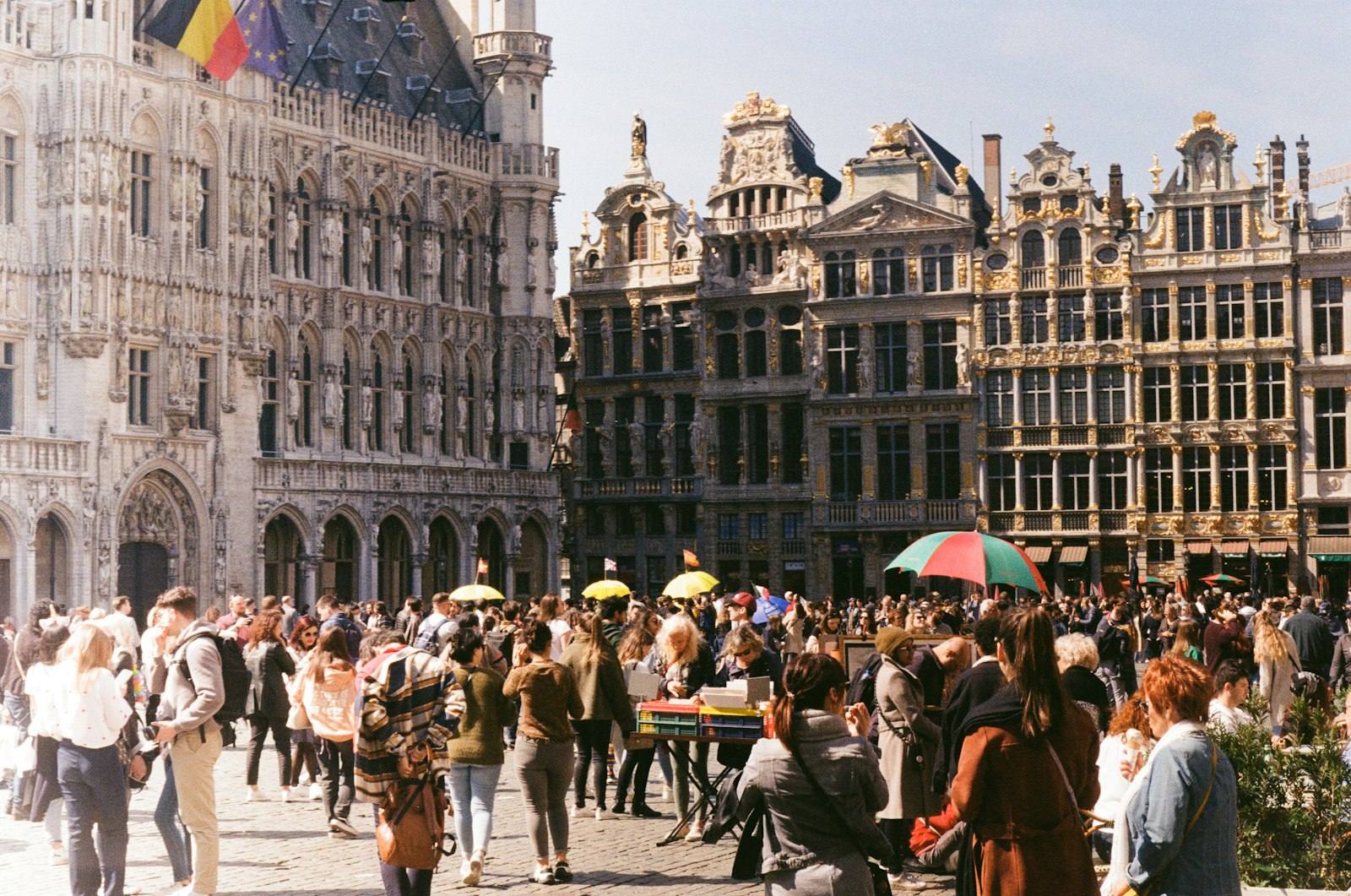
Moving from France to Belgium
A practical guide to the short road move from France to Belgium, why your goods move freely inside the EU, and registering at your Belgian commune.
Moving from France to Belgium, in one honest summary.
A move from France to Belgium is one of the easiest international moves in Europe, because it is a short road haul between two neighbours in the same union. Paris to Brussels is only around three hundred kilometres, and many French regions are closer still. There is no ocean freight and no container, so cost comes down to your volume, the access at both ends, and whether you take a dedicated truck or share space on a part load. For a typical two to three bedroom home in 2026, budget roughly EUR 1,500 to EUR 4,500 door to door.
The thing that surprises people is how little bureaucracy the move itself involves. Because France and Belgium are both in the European Union and its customs union, your used household goods move under the free movement of goods. There is no customs clearance, no duty and no import VAT on your personal effects, so the paperwork that dominates intercontinental moves simply does not apply here.
What replaces customs is local registration in Belgium. Plan on one to two days in transit, then turn your attention to registering at your local commune, getting your national register number, and sorting your residence card. Get those steps moving early and the whole move can be done in a couple of weeks.
What it costs in 2026, by home size and method.
These are indicative 2026 ranges in euros for the France to Belgium road move, door to door. Volume, floor and access at both ends, and whether you take a dedicated truck or a shared load move the number most.
A shared or part load is cheaper because your goods travel with other shipments on the same truck, but it is slower and less flexible on dates. A dedicated truck carries only your home and delivers on your schedule, which suits anything from a two bed home upward. Summer and end of month dates carry a premium.
- +Lowest cost for small volumes
- +Good for partial moves and boxes
- −Slower, depends on other loads
- −Less control over delivery date
- +Your home only, on your schedule
- +Fast, direct door to door
- +Less handling, lower damage risk
- −More than a shared load for small volumes
- +Cheapest for a studio
- +Full control of timing
- −You do the driving and loading
- −Tolls and fuel add up
- +Driver plus help included
- +Good for a one bed flat
- −Limited capacity
- −Books up at month end
Get moving quotes for France to Belgium.
Tell us your home size and timing and we put your France to Belgium move in front of vetted movers who run this short road lane. Free, no obligation.
A realistic schedule for this route.
A realistic schedule for the France to Belgium road move. There is no customs step inside the EU, so the timeline is short and the local registration is what to plan around.
Get quotes and book
Request a binding pre move survey from movers who run the France to Belgium lane. Lock dates early for end of month or summer, when trucks are in demand across the region.
Sort the admin
Because there is no customs, focus on the move out and move in admin: notify your French commune and utilities, and prepare what you need to register in Belgium. Keep an inventory for your insurance.
Pack and load
Packers wrap and inventory everything and load the truck. With a short haul, loading and the drive often happen on the same day or over two days.
Road haul
The truck drives from France into Belgium, often Paris to Brussels in a few hours, with no border formalities for your goods inside the EU.
Delivery and registration
The crew delivers and unpacks. You then register at your local Belgian commune, obtain your national register number, and start your residence card and bank steps.
Moving household goods within the EU to Belgium.
Because France and Belgium are both in the European Union and its customs union, your used household goods move under the free movement of goods. There is no customs clearance, no import duty and no import VAT on your personal effects, and no inventory needs to be lodged with customs. This is the single biggest reason a France to Belgium move is so much simpler than an intercontinental one.
What replaces customs is local registration in Belgium. Within days of arriving you report to the administration of your commune, the local town hall, to register your address. The commune arranges a check of your residence, after which you are entered in the national register and receive your national register number, the identifier you need for almost everything in Belgian daily life. As an EU citizen you receive a registration document confirming your right of residence rather than a third country residence permit.
A few categories still carry rules even inside the EU. Firearms need the correct European permits, certain plants and protected goods have controls, and a vehicle brought from France must be registered in Belgium and may need a roadworthiness check. None of this is customs, but it is worth handling early so your car and any controlled items are legal from day one.
The routes in for this corridor.
Most people moving from France to Belgium are EU citizens, so this is about registration rather than visas. Each route is summarised in two sentences. None of this is immigration advice, so confirm with official Belgian sources before you commit.
EU and French citizens have the right to live and work in Belgium and simply register their residence at the commune, receiving a document that confirms the right of residence. There is no visa to apply for in advance.
A job with a Belgian employer is the usual basis for working age movers, and for EU citizens it needs no separate work permit. You register your residence at the commune once you arrive and have an address.
Those joining a spouse or close family member settled in Belgium register on that basis. The settled relative's status shapes the documents and conditions, and non EU family members follow a separate process.
Students and people with sufficient income and health cover can register their residence without local employment. It suits those studying in Belgium or living on savings, a pension or remote income.
How to pick a mover for this route, without the guesswork.
We do not rank or recommend individual companies. We teach you the criteria that separate a safe international move from an expensive mistake, then put your request in front of vetted movers who run this lane.
Look first for membership of FIDI or IAM, the two international moving networks whose members are audited for financial stability and quality. A mover that runs the France to Belgium lane regularly will understand the short cross border road lanes and the Belgian commune registration that follows delivery, which a generalist often does not.
Insist on a binding pre move survey, in person or by video, so the quote reflects your real volume rather than a guess. Get the scope in writing: who packs, who handles customs paperwork at each end, what insurance covers, and what the destination delivery charge includes. Compare like for like, because the cheapest headline number often hides charges that appear later.
Check the insurance terms and the claims record, read recent reviews from people who moved on the same route, and confirm the mover carries marine or transit cover that pays replacement value, not a token figure by weight. When you are ready, the quote form below puts your move in front of vetted movers who run this corridor, with no obligation.
Questions people ask about this move.
How much does it cost to move from France to Belgium?
As an indicative 2026 range, a one bedroom home runs roughly EUR 700 to EUR 2,400 and a two to three bedroom home roughly EUR 1,500 to EUR 4,500 door to door, depending on whether you take a shared load or a dedicated truck and the access at both ends.
How long does the move from France to Belgium take?
The road haul is usually one to two days once the truck is loaded, and Paris to Brussels is only a few hours of driving. A shared load can take three to ten days because it waits for other shipments on the route.
Do I pay customs or duty moving from France to Belgium?
No. France and Belgium are both in the EU customs union, so your used household goods move under free movement with no customs clearance, no duty and no import VAT on personal effects.
Do I need a visa to move from France to Belgium?
French and other EU citizens do not need a visa. You register your residence at your Belgian commune after arriving and receive a document confirming your right of residence, plus your national register number.
How do I register when I arrive in Belgium?
You report to your local commune to register your address, usually within days of arriving. After a residence check you are entered in the national register and receive your national register number, which you need for daily life.
Can I bring my car from France to Belgium?
Yes, but a car brought from France must be registered in Belgium and may need a roadworthiness check. It is not a customs matter inside the EU, but handle the re registration early so the car is legal from the start.
Last reviewed: 17 March 2026. We refresh this guide as costs, customs, and visa rules change.