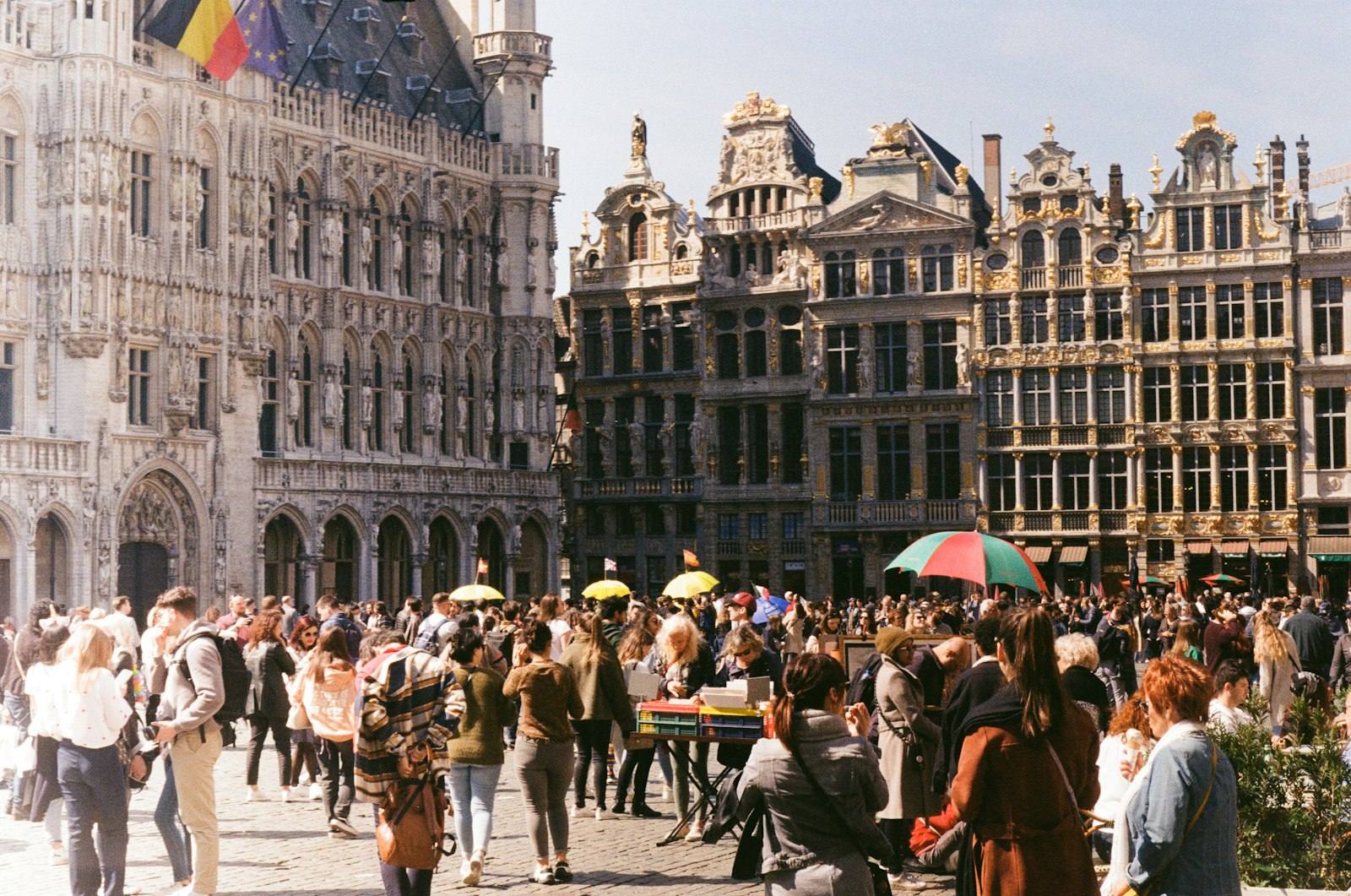
Moving from Ireland to Belgium
A move within the European Union, by road and ferry from one side of the continent to the other. Here is the honest brief on a road move from Ireland to Belgium, why there is no customs to clear, and the commune registration that makes you a Belgian resident.
Costs are indicative ranges for 2026.
The honest summary of this move.
Moving a household from Ireland to Belgium is a road move inside the European Union, with a ferry crossing to reach the continent. For a 2 to 3 bedroom home a part load runs roughly 2,800 to 5,000 euro in 2026, with delivery in about one to two weeks. Because both countries are in the EU single market, there is no customs duty and no import tax on your belongings.
Because Ireland is an island, the goods leave by road and cross by sea, either on a direct ferry from Dublin or Rosslare to a continental port such as Cherbourg or Zeebrugge, or on the shorter land bridge through Britain. From the continental side it is a straightforward drive to Brussels, Antwerp, or Ghent. Most movers price this as a part load, where your shipment shares a truck, which is the value option for a normal home.
EU membership removes the customs barrier. There is no customs declaration for household goods moving between Ireland and Belgium, no duty, and no value added tax on your own used possessions. If the route uses the land bridge through Britain, the goods travel under transit so they are not treated as a British import, which a mover experienced on this lane will arrange as a matter of course.
The effort sits in settling in. Leaving Ireland is light on formalities, but arriving in Belgium means registering at your local town hall, the commune or gemeente, within eight working days, after which a police officer verifies you live at the address. You are then entered in the National Register and given a national number, which unlocks banking, health cover, and most of daily life.
What this move really costs in 2026.
On this lane the drivers are volume, the ferry crossing, and whether you share the truck or take it for yourself. The table shows indicative ranges in euro for the common home sizes and road options.
Indicative ranges for 2026 in euro and they include the ferry. A part load is cheapest because you share the truck and accept a delivery window, a dedicated vehicle is faster and private, and access at both ends, such as narrow Brussels streets or no lift, can add a charge.
- + Best value for a normal home on this route
- + You pay only for the space you use
- ~ Delivery comes within a window, not a fixed day
- + Sole use of the vehicle, direct from door to door
- + Right size for a full 2 to 3 bed home
- ! You pay for the whole truck plus the ferry
- + Fast and direct for a flat or part move
- + Good for a fixed delivery date
- ~ Limited capacity, not for a full house
A realistic timeline for this move.
A road and ferry move inside the EU is quick once booked. The slower part is the Belgian registration, so plan to visit your commune in the first week after arrival.
Get movers to survey
Have movers run video or in home surveys for an accurate volume and a binding or not to exceed quote. Ask whether they route by direct ferry or the land bridge through Britain.
Book the crossing and slot
Confirm your collection date in Ireland, the ferry sailing, and your delivery window in Belgium. Flexible dates lower the price on a part load.
Close out in Ireland
Cancel utilities and contracts tied to your Irish address and tell Revenue if your tax residence is changing.
Pack and load
The crew packs and loads in Ireland. The truck boards the ferry, and with no customs to clear it drives on to Belgium.
Cross and drive
The ferry and the continental drive together take a few days, longer for a part load that makes other drops along the way.
Deliver and register
Your goods are delivered and unpacked. Within eight working days you register at your commune, after which a police check confirms your address and your National Register number follows.
Bringing your household goods into Belgium.
Because Ireland and Belgium are both in the European Union single market, there is no customs barrier for your household goods. The real arrival task is registering as a resident.
Personal belongings that you already own move freely between Ireland and Belgium with no customs declaration, no import duty, and no value added tax. Keep a clear inventory for the mover and for insurance, but you will not file a customs entry. If your route crosses Britain on the land bridge, an experienced mover moves the goods under transit so they are never treated as a British import.
Settling in Belgium runs through your local town hall. EU citizens intending to stay more than three months register in person at the commune or gemeente within eight working days of arrival. A temporary receipt is issued, the local police then verify that you live at the address, and the municipality enters you in the National Register and issues an electronic foreigners card. This gives you a National Register number, the rijksregisternummer, which is central to everything from a bank account to health insurance.
Bringing a car is straightforward within the EU, though you register the vehicle in Belgium within the set period and arrange Belgian insurance. Pets travel under EU pet rules with a microchip, a rabies vaccination, and an EU pet passport. Confirm the current commune procedure and timelines for your municipality before you move, because the steps and the wait for the residence card vary by town.
Verify before you move. EU rules on moving personal goods are stable, but Belgian commune registration steps, the wait for the residence card, and vehicle re registration timelines vary by municipality and can change. Confirm the current position with your commune and the relevant authorities before you move.The realistic routes for this corridor.
As an EU country, Belgium asks EU citizens only to register rather than apply for a visa. These are the routes that apply most often to people relocating from Ireland.
Irish nationals are EU citizens, so they may live and work in Belgium freely. For stays beyond three months you register at your commune and are entered in the National Register.
If you move for a job, your EU status lets you start work without a permit. You register your residence and join the Belgian social security system through your employer.
Family members who are EU citizens register the same way. Non EU family members of an EU citizen apply for a residence card on the family route at the commune.
People relocating from Ireland who are not EU nationals may use Belgium's EU Blue Card or a single permit for skilled work, each with its own salary and qualification conditions.
How to choose a mover for Ireland to Belgium.
We never name, rank, or recommend a moving company. Instead, here is the neutral checklist that matters on this exact lane. Apply it to any quote, then request comparable quotes through the form below.
FIDI or IAM affiliation
Membership of the FIDI Global Alliance or the International Association of Movers signals audited financial stability and a complaints process you can lean on if something goes wrong.
Real corridor experience
Ask how many households the company has shipped on your exact route in the past year. A mover that runs the lane regularly knows the ports, the customs broker, and the paperwork by heart.
A binding pre move survey
Insist on a video or in home survey and a binding or not to exceed quote. A price built from a real volume estimate is the only quote you can compare like for like.
Clear insurance terms
Read how transit cover is calculated, what the deductible is, and whether valuation is by replacement value. Vague cover is the most common regret on an international move.
Verifiable reviews
Look for recent, specific reviews that name the destination, not just star ratings. Patterns in how a company handles claims tell you more than any single glowing note.
Written scope and timeline
Everything that matters belongs in writing: packing, customs clearance, delivery, unpacking, and debris removal, with who pays destination charges spelled out.
Get moving quotes for Ireland to Belgium.
One short form, shared with vetted international movers who run this exact lane from Ireland into Belgium, ferry crossing and continental delivery and all. No call centre roulette and no obligation.
One useful email a month for people moving countries.
Real cost movements, customs rule changes, and corridor notes. No spam, and you can leave whenever you like.
Questions people ask about this move.
How much does it cost to move from Ireland to Belgium?
For a 2 to 3 bedroom home, a part load typically costs from about 2,800 to 5,000 euro in 2026, including the ferry. The figure depends on volume and whether you share the truck or take it for yourself. Base your budget on a binding pre move survey.
How long does it take to move from Ireland to Belgium?
Plan on roughly one to two weeks. A dedicated truck can complete the crossing and drive in five to eight days, while a part load arrives within a delivery window because it shares the vehicle.
Do I pay customs moving from Ireland to Belgium?
No. Both countries are in the European Union single market, so your used household goods move with no customs declaration, no duty, and no value added tax, even if the route crosses Britain under transit.
How quickly must I register in Belgium?
EU citizens staying more than three months register in person at their local commune or gemeente within eight working days of arrival, after which a police officer verifies the address.
What is the National Register number?
It is the rijksregisternummer issued when your commune enters you in the National Register. It is central to Belgian life, from opening a bank account to arranging health insurance.
Should I ship my car or buy in Belgium?
You can drive or ship your car freely within the EU, then register it in Belgium within the set period. Whether that beats buying locally depends on the car and your plans.