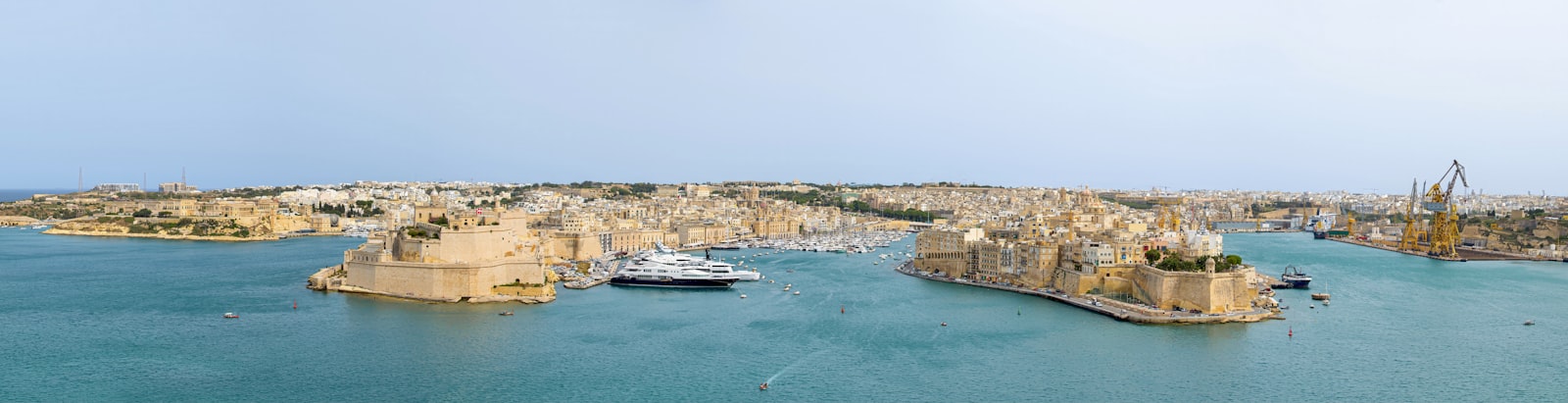
Moving from Spain to Malta
A short Mediterranean hop between two European Union members. No customs duty on your goods, and your first official task on the island is the eResidence document.
No customs duty between two EU members, so the move is about freight and registration.
Spain to Malta is a short Mediterranean move between two members of the European Union, and that single fact shapes everything. Your goods are consolidated in Spain, usually trucked to a load port such as Valencia or Barcelona, and shipped one to two weeks to Malta Freeport at Birzebbuga, the island's container hub. Door to door, two to five weeks is realistic for a groupage load once collection, the short sea leg, and island delivery are added. Because both countries are in the EU customs union, your household goods move in free circulation with no import duty.
With customs off the table, the move becomes a question of freight and paperwork on arrival. Malta runs on the eResidence document, the biometric residence card issued by Identita, the national identity agency. An EU national who intends to live in Malta for longer than three months registers with Identita and is issued an eResidence document based on the purpose of their stay. Sort that registration early, because it is the key that opens banking, healthcare, and the local tax and social security systems.
What a Spain to Malta move really costs in 2026.
Short sea moves are priced mainly by volume and the consolidation schedule. These are indicative ranges in euros for 2026, not quotes. Only a binding pre move survey produces a real figure.
Ranges are indicative for 2026 and exclude marine insurance and island delivery beyond the port. The summer peak and the rhythm of consolidation sailings affect both price and timing, so book early when you can.
- +Best value for most home sizes on a short, frequent Mediterranean lane
- +You pay only for the cubic metres you fill
- −Timing depends on the consolidation schedule to Malta
- +Best for a full home, your goods travel sealed and alone
- +Fewer handling points means lower damage risk
- −Often more capacity than a typical Malta move needs
- +Useful for smaller or urgent loads via Sicily and the Malta ferry
- −Capacity is limited and pricing varies with the ferry schedule
Get moving quotes for Spain to Malta.
Tell us your size and timing. We pass your request to vetted international movers who run the Spain to Malta lane, and you compare them on your own terms.
A realistic schedule for this route.
From first survey to the last box in your Malta home, this move runs about four to seven weeks. With no customs duty, the schedule is set by the consolidation sailings and your registration.
Book and survey
Get binding quotes off a video or in home survey. Confirm the mover runs the Spain to Malta lane and consolidates to Malta Freeport.
Pack and collect
Professional packing in Spain. An inventory is prepared, though no customs entry is needed inside the EU.
Departure from the port
Your load leaves Valencia or Barcelona for Malta Freeport. Marine insurance is arranged before sailing.
Short sea transit
One to two weeks across the Mediterranean to Birzebbuga.
Island delivery
Goods clear in free circulation and are delivered to your address. No import duty applies between EU members.
Register with Identita
Apply online for your eResidence document if you are staying longer than three months, then attend the biometrics appointment.
Bringing your household goods into Malta.
Spain and Malta are both in the European Union customs union, so your used household goods move in free circulation with no import duty and no customs entry of the kind a move from outside the EU requires. You still prepare a clear inventory for your own records and for insurance, and a few categories such as firearms, certain plants, and some foodstuffs carry their own rules, but the bureaucratic weight of a non EU customs clearance is simply absent on this route. That is the single biggest advantage of moving within the EU.
The real administration is on the residence side. Malta uses the eResidence document issued by Identita, the national identity agency. EU and EEA nationals who intend to reside in Malta for more than three months register their residence with Identita and receive an eResidence document, generally valid for five years, based on whether they are working, self sufficient, studying, or otherwise residing. You apply online through the Expatriates Portal, attend a biometrics appointment, and the card follows. This document is what you will be asked for when you open a bank account or register for healthcare.
The routes in for this corridor.
As both countries are in the EU, the route for most movers is registration rather than a visa. These are the realistic options in outline, not immigration advice.
EU and EEA nationals do not need a visa. If you stay longer than three months you register with Identita and receive an eResidence document based on the purpose of your residence.
EU nationals can work freely. The registration is based on your employment, and your employer can guide the social security registration.
Those not working register on the basis of stable means and health cover, a common route for remote workers and retirees from elsewhere in the EU.
Non EU spouses or dependants of an EU national exercising free movement apply for a residence document with proof of the relationship and the EU national's status.
How to pick a mover for this route, without the guesswork.
We do not rank or recommend individual companies. We teach you the criteria that separate a safe international move from an expensive mistake, then put your request in front of vetted movers who run this lane.
Check the trade affiliation. Membership of FIDI or IAM is the clearest signal a mover is financially screened and bound to industry standards for international household goods. For a Spain to Malta move you want a mover that consolidates regularly to Malta Freeport and handles island delivery, since access and timing matter more than customs here.
Insist on a binding pre move survey. A real video or in home survey of your volume is the only honest basis for a price. A quote given without one is a guess that tends to grow on moving day.
Compare like for like. Read what each quote includes: packing, materials, customs clearance, destination delivery, stair or long carry charges, and insurance. The cheapest headline number is rarely the cheapest move.
Understand the insurance terms. Ask whether cover is full replacement value or depreciated, what the excess is, and how claims are handled. Read the valuation clause before you sign.
Read recent reviews for this corridor. A mover can be excellent locally and weak on international shipments. Look for verified reviews that mention the actual route and customs experience.
Questions people ask about this move.
How much does it cost to move from Spain to Malta?
As an indicative 2026 range, a two to three bedroom home moves for roughly 3,500 to 7,500 euros as a shared load and more for sole use of a container. Volume, the consolidation schedule, and island delivery move the figure. Only a binding pre move survey gives a real price.
How long does shipping take from Spain to Malta?
Plan on one to two weeks at sea from Valencia or Barcelona to Malta Freeport, and two to five weeks door to door once packing, the short sea leg, and island delivery are included.
Do I pay duty on my furniture moving to Malta?
No. Spain and Malta are both in the European Union customs union, so used household goods move in free circulation with no import duty. You only keep an inventory for your own records and insurance.
How do I register as a resident in Malta?
EU nationals staying longer than three months register with Identita through the Expatriates Portal, attend a biometrics appointment, and receive an eResidence document, generally valid for five years.
Can I bring my car from Spain to Malta?
Yes, EU residents can bring a vehicle, but Malta drives on the left and you must register the car locally and pay any applicable registration tax within set timeframes. Verify the current process before you ship.
Last reviewed: 31 March 2026. We refresh this guide as costs, customs, and visa rules change.